
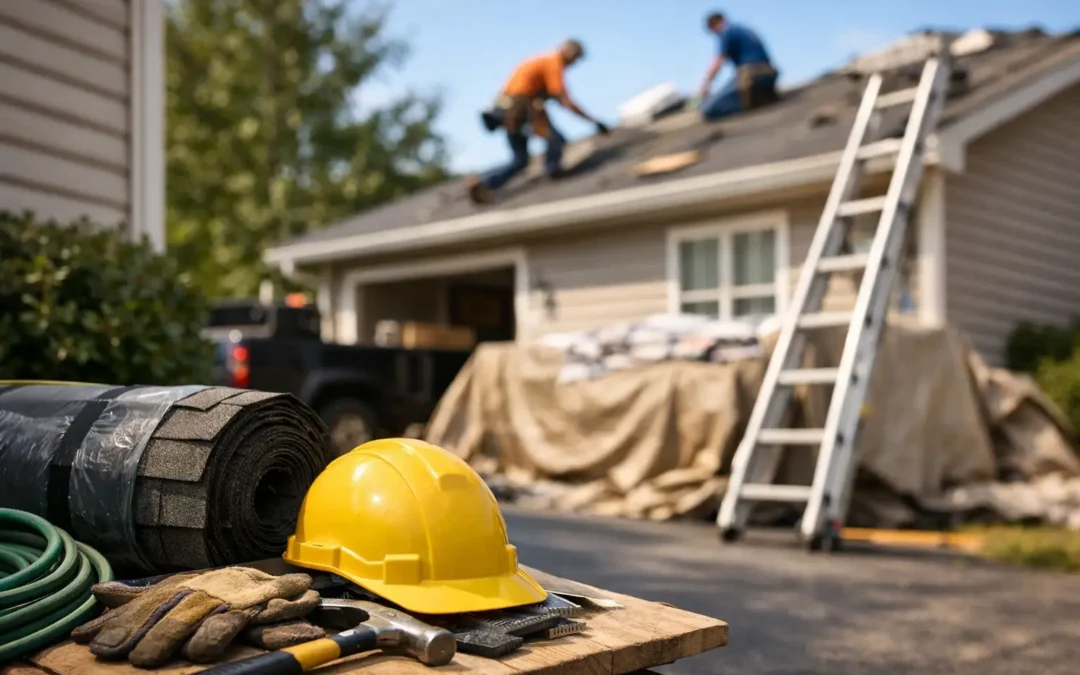
A roof replacement can move quickly once the crew arrives. Old shingles come off, materials move across the property, and the work can be loud from early morning until the job is complete. Knowing how to prepare for roofing helps protect your home, reduce stress, and give your roofing crew the access they need to do quality work without unnecessary delays.
For Hudson Valley property owners, preparation also means planning around unpredictable weather, mature landscaping, narrow driveways, and the everyday demands of family life or business operations. A professional contractor will guide you through the schedule and site setup, but a few steps before installation day make a real difference.
Confirm the Scope and Schedule Before Roofing Begins
Start by reviewing the proposal carefully. You should understand whether the project is a repair, a full roof replacement, or part of a larger exterior project involving gutters, siding, flashing, or ventilation. Ask what materials are being installed, where the crew will stage supplies, how debris will be handled, and what conditions could affect the timeline.
Roofing is weather-dependent. Rain, high winds, icy conditions, or an unsafe forecast may require a schedule adjustment. That can be frustrating, especially when you are dealing with an active leak or an aging roof, but safety and proper installation matter more than rushing the work. A dependable contractor should communicate promptly if the schedule changes and explain the next steps.
If you live in a neighborhood with an HOA, shared driveway, limited parking, or property access rules, address those details before work begins. Obtain any required approvals and let the contractor know about restrictions that could affect delivery trucks, dumpster placement, or working hours. Commercial property owners should also plan for tenant communication, customer access, and safety around the work zone.
Clear Access Around the House
Your roofing crew needs room to work safely around the entire structure. Move vehicles out of the driveway and away from the garage before the crew arrives. This protects cars from dust or stray debris and leaves room for material deliveries, cleanup equipment, and disposal containers.
Clear the areas directly around the home as much as possible. Patio furniture, grills, planters, toys, lawn ornaments, and portable sports equipment should be moved away from exterior walls. If you have a deck or patio that cannot be fully cleared, ask your contractor how they plan to protect it.
Pay special attention to gates, side yards, and access points. Unlock gates, remove obstacles from walkways, and make sure the crew can reach all sides of the roof. If you have a locked shed, fenced yard, or detached garage that needs roof access, make arrangements in advance.
Landscaping deserves a realistic conversation. Experienced roofers take precautions, but roofing is active construction work. Trim low-hanging branches that interfere with roof access, and point out delicate shrubs, garden beds, irrigation heads, stonework, or lighting fixtures you want the crew to be aware of. Covering plants may be appropriate in some situations, but do not tightly cover them for long periods during hot weather because trapped heat can cause damage.
Protect the Inside of Your Home
Roofing creates vibration. While a properly performed installation should not damage a sound ceiling, the hammering and movement overhead can shake loose dust in attics, garages, and upper-level rooms. Remove fragile items from walls and shelves, especially pictures, mirrors, collectibles, and glassware.
If your attic is used for storage, cover belongings with drop cloths or old sheets. This is particularly helpful when old roofing materials are removed and dust shifts through gaps near the roof deck. It is also smart to move valuables away from walls or shelves in rooms directly below the roofline.
Homeowners sometimes forget about smoke detectors. Dust from construction can occasionally trigger them, so make sure you know where your detectors are and how they operate. Do not disable safety devices without a clear plan to restore them immediately. If you have a monitored alarm system, notify the provider that construction work is scheduled.
Keep windows closed during the project, particularly those near the work area. Close blinds or curtains if you are concerned about dust, and secure loose window screens. If you have window air-conditioning units, skylights, solar equipment, satellite dishes, or rooftop HVAC components, discuss them with your contractor ahead of time. These features may require special planning, coordination, or service by another qualified professional.
Plan for Children, Pets, and Noise
A roofing project is not a quiet home-improvement task. Nail guns, tear-off work, ladders, delivery trucks, and crew communication can create significant noise. If you work from home, have a baby who naps during the day, or need a calm environment for meetings, consider scheduling an alternate workspace for the loudest portion of the project.
Pets often become anxious when unfamiliar people are outside and loud noises are coming from the roof. Keep dogs, cats, and other animals indoors in a quiet room away from the work area, or arrange for them to stay elsewhere for the day. Let the crew know if pets are on the property. This protects everyone and prevents an open gate from becoming a problem.
Children should understand that the work zone is off-limits. Roofing materials, nails, ladders, and disposal equipment are not safe for play. If children walk home from school or spend time outside, establish a clear route that avoids the active work area.
Prepare Your Utilities and Outdoor Features
Your roofing contractor may need access to exterior electrical outlets, especially for tools and cleanup. Make sure outlets are functional and accessible, and tell the crew about any known electrical issues. If access to the attic, garage, or an indoor panel is needed, confirm that before installation day.
Move or protect items attached to the house, including hanging lights, decorations, cameras, and seasonal displays. Mark the location of septic covers, underground sprinklers, well equipment, or other features that could be affected by vehicle traffic or dumpster placement.
For homes with gutters, ask whether they are being removed, replaced, or protected during the roofing process. Roof replacement is often the right time to assess gutter condition, downspout placement, and drainage. Water needs a clear path away from the foundation, particularly in areas that see heavy rain, snowmelt, and freeze-thaw cycles.
Know What Cleanup Looks Like
A professional roofing project should include an organized cleanup process, not simply a quick sweep at the end of the day. Crews commonly use magnetic tools to collect nails and inspect the work area for debris. Still, homeowners should keep expectations practical: roofing involves small materials, and a final walk-through is the right time to raise any concerns you notice.
Before the project starts, ask where debris will be placed and whether you need to avoid a particular section of the driveway. If a dumpster is used, protect access to it and keep vehicles clear. Some contractors use trailer-based disposal instead, which may be useful when space is tight. The best approach depends on your property layout and local requirements.
After work is finished, inspect the yard, driveway, deck, and accessible areas with the contractor. Look for visible debris, damaged landscaping, or items that need to be returned to their usual location. You should also receive clear information about warranty coverage, final payment, and any recommended follow-up work.
Ask About the Details That Protect the Roof Long-Term
Preparation is not only about making room for the crew. It is also your opportunity to confirm the decisions that affect roof performance for years to come. Ask how the contractor will address flashing around chimneys, walls, skylights, pipes, and valleys. These details are common leak points when they are overlooked or installed poorly.
Ventilation is another issue worth discussing. A roof system needs balanced intake and exhaust ventilation to help manage heat and moisture in the attic. The right solution depends on the home’s design, existing vents, insulation, and roof layout. Not every home needs the same upgrade, so a contractor should explain the recommendation rather than rely on a one-size-fits-all answer.
If your roof was damaged by wind, fallen branches, or a leak, take photos before work starts and save paperwork from your insurance carrier if a claim is involved. Do not wait to report active water intrusion. Temporary protection may be needed while permanent repairs are scheduled.
A Smooth Project Starts Before the First Shingle Comes Off
The best roofing projects feel organized because they are organized. Clear access, protect fragile belongings, plan for people and pets, and ask direct questions about the schedule, cleanup, and roof-system details. Those steps allow the crew to focus on what matters most: installing a roof built to protect your property.
When you are ready to move forward, choose a contractor that communicates clearly, respects your home, and treats preparation and cleanup as part of the workmanship. CPG Roofing & Siding helps homeowners and property owners plan roofing work with the responsive service and careful site management a major exterior project deserves.