A siding project can change how a property looks, but its real job is protection. When you hire an Ulster County siding contractor, you are trusting someone to manage water, wind, insulation, ventilation, and the condition of the walls behind the finish. That is why the lowest quote is rarely the whole story.
Hudson Valley homes see hard rain, snow, freeze-thaw cycles, humid summers, and occasional storm damage. A quality siding installation needs to account for those conditions from the first inspection through the final cleanup. The right contractor should make the process clear, respond when problems are urgent, and deliver work that holds up long after the crew leaves.
What a Good Ulster County Siding Contractor Should Inspect
A professional siding estimate should begin with more than measuring exterior walls. The contractor should look for signs of moisture intrusion, damaged trim, failing caulk, loose gutters, pest activity, rotted sheathing, and areas where siding has begun to pull away from the structure.
This matters because new siding installed over hidden damage can cover a problem without solving it. If water has reached the wall system, repairs may be needed before the new material goes on. That can affect the price, but finding the issue early is far less costly than discovering it after a finished installation.
Ask how the contractor will handle deteriorated wood, damaged sheathing, flashing around windows and doors, and areas where the siding meets the roofline. A clear answer shows that the company is planning for the full exterior system, not simply covering the home with new panels.
For commercial properties, the evaluation may also include wall penetrations, utility connections, loading areas, access needs, and work scheduling around tenants or business operations. The approach should fit the building, not follow a one-size-fits-all sales script.
Compare Scope, Not Just the Bottom-Line Price
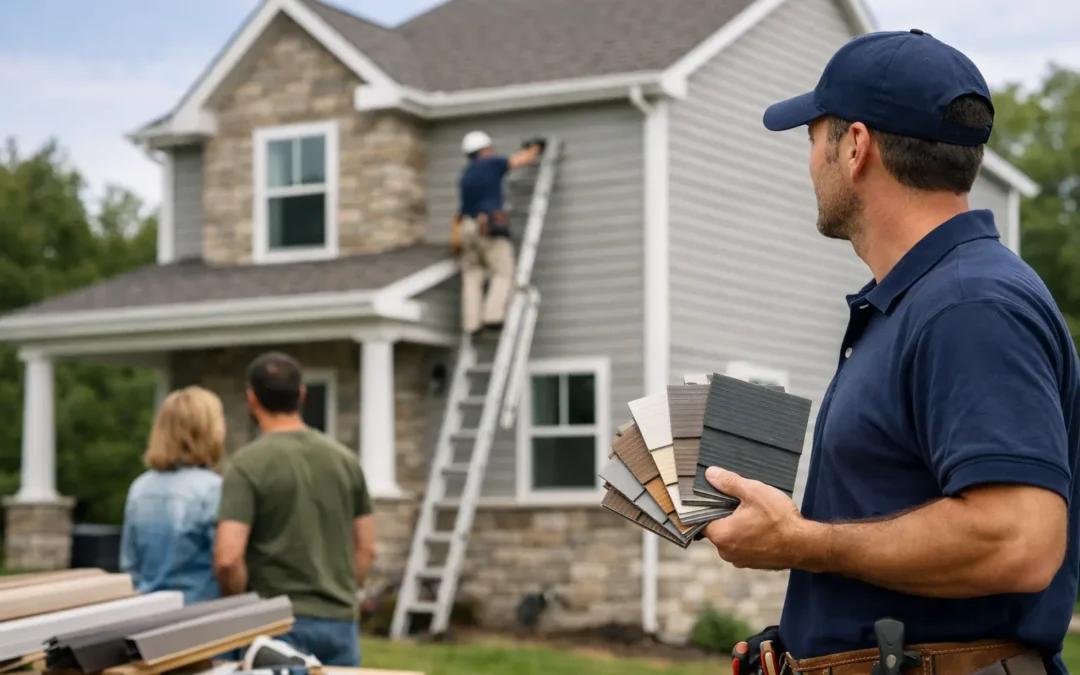
Two siding proposals can look similar at first and still cover very different work. Before choosing a contractor, read the scope of work closely. It should identify the siding product and color, trim details, removal or disposal of old materials, protection for landscaping, and how repairs will be priced if hidden damage is found.
A thorough estimate should also explain whether it includes house wrap or a weather-resistant barrier, flashing, starter strips, fasteners, soffit work, fascia, and caulking. These details help control water and air movement. They are not small extras when a home is exposed to Northeast weather.
If one estimate is substantially lower, ask why. The difference may be reasonable if the job has a smaller scope or uses a different material. It can also signal missing preparation work, limited trim replacement, lower-grade accessories, or a vague plan for repairs. A dependable contractor will explain the difference directly instead of pressuring you to decide before you understand it.
Financing can make a needed exterior improvement more manageable, especially when siding issues are paired with roofing, gutter, or trim repairs. It should support a sound decision, though, not rush one. The work still needs a detailed scope and a payment schedule you understand.
Choose Materials That Match Your Property and Priorities
There is no single best siding material for every Ulster County property. The right choice depends on the home’s style, budget, maintenance expectations, and the condition of the existing exterior.
Vinyl siding is a popular option because it is cost-conscious, available in many colors, and requires relatively little routine upkeep. Quality installation is critical. Panels need room to expand and contract through changing temperatures, and fastening them too tightly can cause warping or buckling.
Fiber cement offers a more substantial appearance and can provide strong resistance to fire, insects, and moisture when installed and maintained correctly. It is heavier, requires careful cutting and finishing, and often costs more than vinyl. It may be a worthwhile choice for homeowners who want its style and durability, but the installer should be experienced with the specific product requirements.
Engineered wood can offer the warmth of a wood-like finish with more consistent performance than traditional wood in many applications. Traditional wood remains a beautiful choice for certain historic or design-focused homes, but it demands more maintenance and close attention to paint, caulk, and moisture control.
A qualified contractor should discuss the trade-offs honestly. The best-looking product on a sample board is not automatically the best fit for a shaded, damp property, a rental building, or a home where low maintenance is the main priority.
Installation Details Determine Long-Term Performance
Siding is only as dependable as the system behind it. Proper installation starts with a dry, sound wall surface. From there, the crew should use the correct moisture barrier, flash windows and doors properly, maintain drainage paths, and follow the manufacturer’s specifications for clearances and fasteners.
Pay close attention to transitions. Roof-to-wall intersections, chimneys, deck connections, window trim, utility lines, and areas near gutters are common places for water problems to begin. Good siding work creates clean, intentional transitions in these areas instead of relying on a heavy bead of caulk to hide a gap.
Ventilation and insulation may also be part of the conversation. Replacing siding can be an opportunity to improve exterior insulation or address air leaks, but not every wall assembly should be handled the same way. The contractor should assess the building rather than promise a universal energy-saving result.
A clean job site is another sign of professional control. Crews should protect walkways, landscaping, and outdoor furniture; manage debris daily; and use magnetic sweeps where nails may be present. Homeowners should not be left to discover scraps, sharp fasteners, or damaged plantings after the project is complete.
Verify the Contractor Before Work Begins
Trust should be supported by proof. Before signing an agreement, confirm that the contractor carries appropriate insurance and is willing to provide documentation when requested. Ask about local licensing or permit requirements, worker safety practices, manufacturer training, warranties, and who will supervise the project.
Online reviews can be useful when you read beyond the star rating. Look for recurring comments about communication, punctuality, cleanup, change orders, and how the company handled an issue. Every contractor can face an unexpected repair or weather delay. What matters is whether the team communicates clearly and takes responsibility.
You should also know who will be on your property. Some companies use in-house crews, while others use subcontractors. Either model can work well when the company has strong oversight, clear quality standards, and a single point of contact for the customer. The important thing is that responsibility does not disappear once the contract is signed.
Know When Siding Damage Needs Fast Attention
Not every siding concern requires an immediate full replacement. A few cracked panels, minor trim damage, or isolated loose sections may be repairable. A contractor should be willing to tell you when a targeted repair makes sense.
However, do not wait when siding damage is allowing water into the wall. Warped or missing panels after a storm, widespread cracking, soft spots, visible rot, repeated interior moisture stains, or siding that has pulled away from the structure all deserve prompt evaluation. Delayed repairs can affect insulation, framing, and indoor air quality.
If storm damage has also affected the roof or gutters, having one responsive exterior contractor assess the whole property can prevent missed connections between systems. Water does not stop at the edge of a roof or siding panel, and neither should the inspection.
Start With a Clear Conversation
The right siding contractor will not make you guess what comes next. You should receive a straightforward assessment, material options that fit your goals, a written scope of work, and clear expectations for scheduling, payment, cleanup, and warranty coverage.
For property owners who want responsive service and workmanship built around protection, CPG Roofing & Siding can help evaluate siding concerns before they become larger exterior repairs. A careful inspection today can protect the walls, appearance, and value of your property through the seasons ahead.