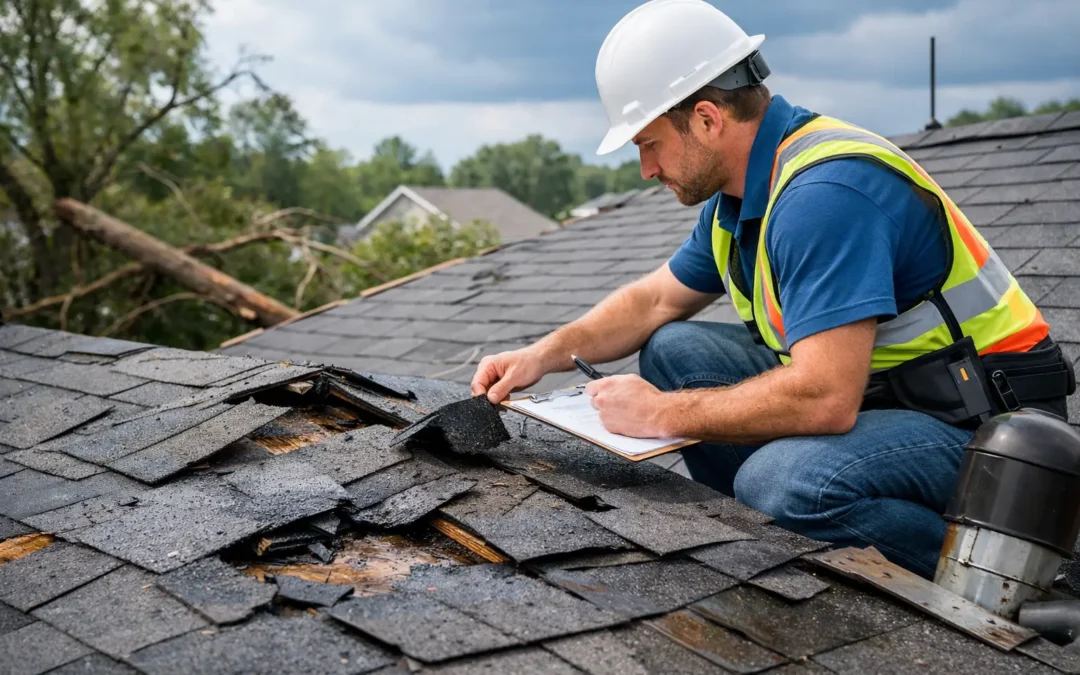
The day after a hard storm is when small roofing problems turn into expensive ones. A proper roof inspection after storm damage is not just about spotting missing shingles from the ground. It is about finding the damage you cannot see yet – lifted flashing, bruised shingles, punctures, loosened gutters, and early water entry that may not show up on your ceiling for days or weeks.
That is where many property owners get tripped up. If there is no active leak, they assume the roof made it through fine. Sometimes that is true. Sometimes the storm shortened the life of the roof without leaving obvious signs from the driveway. The sooner the roof is checked, the easier it is to limit damage, document conditions, and make smart decisions about repair versus replacement.
Why a roof inspection after storm damage should happen quickly
Storm damage rarely stays contained. Wind can break the seal on shingles without tearing them off. Hail can bruise the protective granules and expose the asphalt underneath. Heavy rain can exploit tiny openings around vents, chimneys, skylights, or flashing. Tree limbs and flying debris can create impact points that look minor at first but lead to rot or leaks later.
There is also a practical reason to move fast. If an insurance claim becomes necessary, early documentation matters. Photos taken right after the storm, along with a professional assessment, can help show that the damage is storm-related and not a long-term maintenance issue. Waiting too long can muddy that picture.
For commercial buildings, the stakes can be even higher. A membrane roof may hold for a short time after a storm, then fail once water works into seams or punctures. A delayed inspection can turn a manageable repair into interior damage, tenant disruption, or inventory loss.
What professionals look for during a storm damage inspection
A real inspection is more than a quick glance and a sales pitch. A qualified contractor should evaluate the full roofing system, not just the shingles or surface material.
On an asphalt roof, that means checking for missing shingles, lifted tabs, creases from wind stress, hail impact marks, granule loss, exposed fasteners, and soft spots that may suggest underlying damage. Flashing around roof penetrations gets close attention because storms often exploit these transition points first.
Gutters, downspouts, soffits, fascia, and siding also tell part of the story. Dents in metal components can support evidence of hail. Loose gutter sections may suggest edge damage or drainage issues that could push water back toward the home. If a storm was severe enough to damage the roof, other exterior components may have taken a hit too.
Inside the property, inspectors may look for water staining in the attic, damp insulation, mold growth, or daylight where it should not appear. On commercial properties, they may check rooftop units, drains, seams, coping, and parapet walls as well.
The best inspections are careful and specific. If someone says the roof is “bad” without showing you where, why, and how serious the damage is, that is not enough.
The most common signs your roof was damaged in a storm
Some signs are obvious. Others are easy to miss unless you know what to look for.
After a major weather event, property owners often notice shingle pieces in the yard, gutters pulling away, water spots on ceilings, or debris on the roofline. Those are clear warning signs. But less visible issues matter just as much. Wind can lift shingles and break the adhesive seal without removing the shingle. Hail can leave subtle bruising that weakens performance long before a leak appears.
A roof can also suffer from secondary problems after the storm passes. Clogged gutters, backed-up drainage, and trapped moisture may not seem urgent, but they can create their own chain of damage. That is why a post-storm inspection should be comprehensive rather than limited to the obvious trouble spots.
Should you inspect the roof yourself first?
A ground-level check is reasonable. Climbing onto the roof is not.
You can walk your property and look for missing materials, fallen branches, damaged flashing visible from lower angles, and dents on gutters or metal trim. You can also check inside for leaks, stains, or attic moisture. That first look helps you decide how urgent the situation is.
But storm-damaged roofs can be slippery, unstable, and more fragile than they appear. One misplaced step can injure you or worsen the damage. Even if you are comfortable on a ladder, identifying hail bruising, wind creasing, or flashing failure is not always straightforward. A professional inspection is safer and far more reliable.
Repair or replacement? It depends on the damage pattern
This is where honest guidance matters. Not every storm-damaged roof needs replacement. Not every roof can be responsibly patched and left alone either.
If the damage is isolated to a small section of a newer roof, repair may be the best option. Replacing a few shingles, resealing flashing, correcting a minor puncture, or securing detached gutter components can restore protection without unnecessary cost.
If the storm exposed broader weaknesses, replacement may make more sense. Widespread hail impact, repeated leaks, extensive wind damage, or an older roof already near the end of its service life changes the equation. Repairing scattered issues on an aging roof can become a short-term fix that leads to more service calls, more interior risk, and more money spent over time.
There are also matching concerns. On older asphalt roofs, it may be difficult to blend new materials with existing shingles. For some property owners, function is the priority and appearance is secondary. For others, curb appeal and resale value matter enough that a partial repair may not be the right choice.
A trustworthy contractor should explain those trade-offs clearly instead of pushing the biggest job by default.
Roof inspection after storm damage and insurance claims
Insurance is one reason many homeowners schedule an inspection right away, but it helps to keep expectations realistic. Storm damage may be covered, depending on the cause of loss, the policy, the age of the roof, and the documented condition before the event. Normal wear and tear is generally not treated the same way as sudden damage from wind or hail.
That is why documentation matters. Good inspection photos, notes on affected areas, and a clear explanation of what the storm did to the roof can all help support the process. At the same time, not every issue needs to become a claim. If the damage is minor and below the deductible, a direct repair may be more practical.
The key is knowing the actual condition of the roof before making that call. Guessing can cost you.
What Hudson Valley property owners should keep in mind
In this part of New York, storms are not limited to one season. Summer thunderstorms can bring strong wind and hail. Winter weather creates its own set of problems with snow load, ice dams, freeze-thaw movement, and water backup along the roof edge. That means post-storm inspections are not only for dramatic, headline-making events.
Even a storm that seems routine can exploit an older roof, weak flashing, clogged gutters, or previous repairs that were never done properly. Homes and commercial buildings in Orange, Dutchess, Ulster, and Sullivan counties often deal with a mix of weather stress throughout the year, and those layers of wear add up.
For that reason, fast response and a thorough inspection process matter more than ever. CPG Roofing & Siding works with property owners who want clear answers, honest recommendations, and a clean, organized repair experience when weather hits hard.
How to choose the right contractor for a storm inspection
Not all inspections are equal. After a major storm, out-of-town crews often appear fast, promise fast fixes, and disappear just as fast. That creates problems if the repair fails, the paperwork is incomplete, or the workmanship is not what was promised.
Look for a contractor with local experience, proper insurance, strong reviews, and a clear process for inspection, documentation, and follow-up. Certifications and warranties matter, but so does communication. You should know what was found, what needs immediate attention, what can wait, and what your options are.
A professional company should also respect your property. Storm response is urgent, but urgency is not an excuse for sloppy work, poor cleanup, or vague explanations.
If your roof has just been through a serious storm, do not let uncertainty sit there and grow. A prompt inspection gives you facts, protects the structure underneath, and helps you act before a minor problem becomes a much bigger one. Peace of mind starts with knowing exactly what your roof is dealing with.