
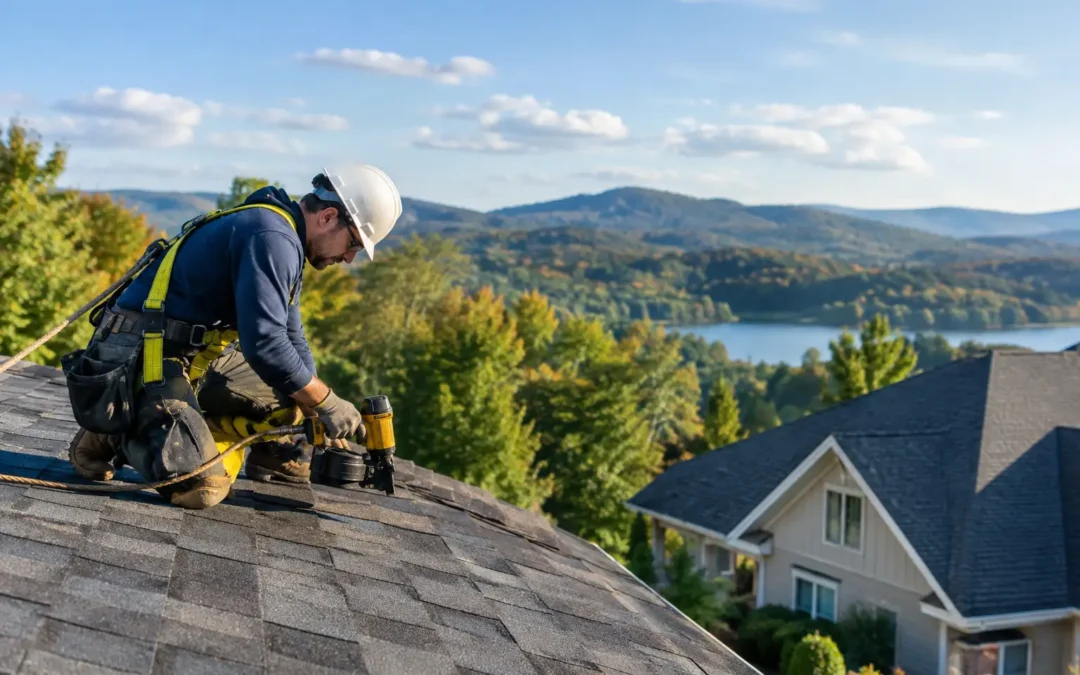
A roof problem rarely stays small for long. A missing shingle can become a leak, a leak can damage insulation and framing, and a clogged gutter can send water where it does not belong. Sullivan County roofing services should give property owners more than a quick patch. They should provide a clear plan to protect the building, the people inside it, and the investment behind it.
For homes, rental properties, and commercial buildings, the right response depends on the roof’s age, the source of the problem, and how quickly water is moving into vulnerable areas. The goal is not to sell a replacement before it is needed. The goal is to identify the condition of the roof, explain the options plainly, and complete work that holds up through Hudson Valley weather.
When Sullivan County Roofing Services Are Needed
Some roofing issues are obvious. Water dripping from a ceiling, shingles scattered after a windstorm, or a section of roof that has visibly lifted needs prompt attention. Other issues are quieter and often show up during routine maintenance, a real estate transaction, or the first heavy rain of the season.
Watch for stains on ceilings or upper walls, granules collecting in gutters, cracked or curling shingles, sagging roof areas, and flashing that has pulled away from chimneys or vents. A musty attic smell, rising energy costs, or daylight visible from the attic can also point to roofing or ventilation problems. None of these signs automatically means a full replacement is required, but each one deserves a professional inspection.
Timing matters. A roof that is dry today may still have compromised underlayment, deteriorated flashing, or storm damage that allows water in during the next freeze-thaw cycle. Early repair often protects more than the roofing system. It can prevent damage to drywall, insulation, electrical components, siding, and interior finishes.
Repair, Replacement, or a Targeted Inspection?
A trustworthy contractor should begin with the condition of the roof, not a one-size-fits-all recommendation. A localized issue on a newer roof may be repairable. Damaged flashing, a few lost shingles, a leaking pipe boot, or a small puncture can sometimes be addressed without replacing the entire system.
Replacement becomes the better long-term decision when the roof is near the end of its expected service life, has widespread shingle failure, shows repeated leaks, or has underlying deck damage. Trying to repair a roof with broad deterioration can lead to repeat visits and growing interior repair bills. In that situation, investing in a properly installed roof can be the more economical choice over time.
An inspection is especially valuable after a major storm, before buying or selling a property, or when a roof has reached the age where problems become more likely. The inspection should assess shingles or other roof covering, flashing, penetrations, valleys, ventilation, gutters, and visible decking concerns. Property owners deserve photos, straightforward findings, and an explanation of what needs immediate attention versus what can be planned for later.
What a Durable Roofing System Includes
Roofing is more than shingles. A good-looking roof can still fail early if the layers beneath it are neglected. The roof deck must be sound, the underlayment must provide a reliable secondary barrier, and flashing must direct water away from the areas where leaks most often begin.
Ventilation also plays a major role. Poor attic ventilation can trap heat and moisture, contributing to premature shingle wear, condensation, mold concerns, and uncomfortable indoor temperatures. In winter, uneven roof temperatures can contribute to ice dam formation. No contractor can promise that every ice dam will disappear, because insulation, attic air sealing, weather, and snow conditions all affect the outcome. But a complete evaluation can identify roof and ventilation issues that make the problem worse.
Gutters belong in the conversation as well. When gutters overflow or downspouts discharge too close to the foundation, water can damage fascia, siding, landscaping, and lower sections of the property. Roof, gutter, and siding systems work together. Addressing only one component may leave another source of water damage in place.
Storm Damage Requires Fast, Careful Action
Sullivan County weather can be hard on a roof. High winds can lift shingles and damage flashing. Heavy rain can expose weak points that were not visible during dry conditions. Snow and ice add weight and create the conditions for water backup near eaves and valleys.
After a storm, start with safety. Do not climb onto a wet, steep, or visibly damaged roof. From the ground, look for missing materials, fallen branches, bent gutters, damaged siding, or debris around the property. Inside, check the attic and upper floors for water spots, damp insulation, or active leaks.
If water is entering the building, fast temporary protection can limit additional damage while a permanent repair is planned. Emergency service should focus on stabilizing the situation, documenting visible conditions, and communicating what happens next. A rushed repair that ignores the source of the failure is not a solution. The work needs to protect the property now and address the underlying issue when conditions allow.
Choosing a Roofing Contractor With Confidence
Roofing work is a major decision, whether the need is a modest repair or a full replacement. Price matters, but the lowest estimate does not always represent the best value. Material quality, installation standards, insurance, warranty coverage, cleanup practices, and communication all affect the true cost of the project.
Ask how the contractor will inspect the roof, what materials are proposed, and how the scope will be documented. Confirm that the company carries appropriate insurance and can explain its workmanship warranty. Manufacturer certifications can also be meaningful because they reflect training and may support stronger system warranties when eligible materials are installed correctly.
Pay attention to how the company communicates before work begins. Are calls returned? Is the estimate understandable? Does the team explain what is included and what could change if hidden damage is discovered? Professionalism during the planning stage is often a strong indicator of how the project will be managed.
Cleanup should never be treated as an afterthought. Roofing debris, nails, and packaging can create real safety issues around a home or business. A well-organized crew protects landscaping where possible, keeps the site orderly, and performs a final cleanup so the property is ready to use again.
Planning for the Cost of Roof Work
The cost of roofing depends on square footage, roof pitch, accessibility, material selection, deck condition, chimney or skylight details, and the complexity of the roofline. A simple, low-slope roof with easy access is different from a steep roof with multiple valleys, dormers, and penetrations.
For replacement projects, financing options can help property owners address necessary work without delaying until a small problem becomes a major one. The right choice depends on the urgency of the repair, the age of the roof, and the owner’s broader property plans. A clear estimate makes that decision easier by separating essential work from optional improvements.
CPG Roofing & Siding approaches roofing as property protection, with organized communication, certified workmanship, and attention to the details that help a roof perform over time. Whether the need is emergency response, a focused repair, or a full replacement, homeowners and commercial property owners should expect answers that are direct and work that is built to last.
When you see a warning sign, do not wait for the next storm to tell you how serious it is. Schedule a professional roof inspection, keep records of the findings, and make a plan that protects your property on your terms.