A roof problem rarely arrives at a convenient time. A brown ceiling stain after heavy rain, missing shingles after a Hudson Valley windstorm, or water backing up near an ice dam can quickly turn into a larger repair if the work is delayed or handled poorly. That is where certified roofing contractor advantages matter most: they give property owners a clearer path to qualified workmanship, accountable service, and protection built to last.
Certification alone does not make every contractor identical. Homeowners should still compare estimates, confirm insurance, ask about the scope of work, and make sure communication is clear. But when a contractor has earned manufacturer credentials and backs the work with a professional process, you are starting from a stronger position.
1. Certified contractors follow proven installation standards
A roof is a complete system, not just a layer of shingles. Underlayment, flashing, ventilation, drip edge, fasteners, starter materials, and ridge components all have a job to do. When one detail is skipped or installed incorrectly, water can find its way into the roof deck, attic, walls, or insulation.
Certified contractors are trained to install products according to the manufacturer’s specifications. That training helps reduce common failures such as improperly sealed shingles, exposed nail heads, weak flashing around chimneys, and inadequate ventilation. It also helps the contractor recognize when the right repair is more involved than replacing a few visible shingles.
For a property owner, this means the conversation should go beyond color and price. Ask how the contractor plans to address ventilation, flashing, decking condition, and the transition points where roofs meet walls, skylights, pipes, or chimneys. Those details often determine whether a roof performs well through years of rain, snow, heat, and wind.
2. Better warranty options may be available
Many roofing manufacturers reserve their strongest warranty options for work completed by qualified or certified contractors. The exact coverage depends on the product, the installation system, registration requirements, and the terms of the warranty, so it is important to review the paperwork before work begins.
Still, this is one of the most practical certified roofing contractor advantages. A stronger warranty can add real value when you are investing in a full roof replacement. It may provide broader coverage for qualifying materials or workmanship than a basic product warranty alone.
A trustworthy contractor should explain what warranty is offered, who stands behind it, what is excluded, and what steps are required to keep it valid. Be cautious of broad promises that never appear in writing. A warranty is only useful when its terms are clear and the contractor will still answer the phone if you need help.
3. Certification creates accountability
A certified contractor has more to protect than a single job. Manufacturer programs typically require contractors to meet standards involving training, licensing where applicable, insurance, and installation practices. Those requirements do not remove the need for due diligence, but they create another level of accountability.
That matters when the job is complex, expensive, or urgent. If your roof suffered storm damage, for example, you need a contractor who can document conditions, explain temporary protection options, and provide a repair or replacement plan that makes sense for the building. You should not have to chase down vague answers after a crew leaves.
Professional accountability also shows up in everyday habits: arriving as scheduled, protecting landscaping, keeping the jobsite organized, communicating about unexpected deck repairs, and completing a thorough cleanup. These are not extras. They are signs that the contractor respects your property and understands the responsibility of working on it.
4. You get a more accurate assessment of roof damage
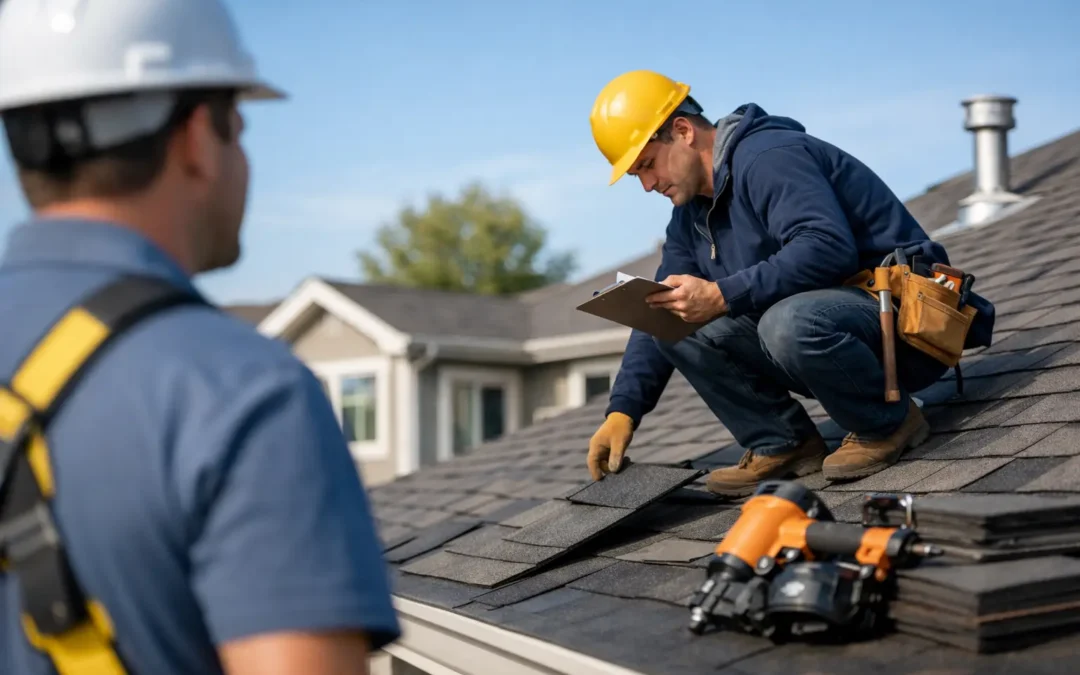
The visible leak is not always the source of the problem. Water can travel along framing, under underlayment, or through a failed flashing detail before it appears inside your home or building. A contractor with trained roofing experience is more likely to inspect the entire affected area rather than simply patching the first obvious spot.
A proper assessment may identify lifted shingles, cracked pipe boots, damaged valleys, deteriorated decking, blocked ventilation, loose gutters, or ice-dam conditions that are contributing to the issue. For commercial properties, the inspection may also need to consider drainage patterns, penetrations, membrane seams, and rooftop equipment.
The right solution depends on the roof’s age and condition. A targeted repair is often the responsible choice when the roof is otherwise sound. If widespread wear, repeated leaks, or major storm damage are present, replacement can be the better long-term investment. A certified contractor should be direct about that distinction instead of pushing every customer toward the most expensive option.
5. Certified roofing contractors understand local weather demands
Roofs in the Hudson Valley face a demanding mix of conditions. Heavy rain, freeze-thaw cycles, snow loads, wind-driven rain, and ice dams can expose weak installation details quickly. The roofing system needs to shed water effectively while managing ventilation and moisture inside the attic.
Local experience helps a contractor recommend materials and installation details that fit the property. That might include proper ice and water protection in vulnerable areas, attention to attic airflow, stronger flashing practices, or gutter improvements that move runoff away from the roofline and foundation.
Not every home needs the same system. A steep-slope shingle roof, a low-slope addition, an older home with limited attic ventilation, and a commercial building each call for a different evaluation. The advantage is not simply choosing a certified name. It is choosing a certified professional who can apply proven standards to your building’s real conditions.
6. Insurance and safety practices protect the property owner
Roofing is dangerous work. A serious contractor should carry appropriate insurance and maintain safety practices that protect the crew, the building, and the property owner. Before signing an agreement, request proof of insurance and make sure you understand who is performing the work.
This is especially important when a project involves structural repairs, steep roofs, multiple stories, or commercial access requirements. Hiring an uninsured or poorly managed crew can create unnecessary risk if an accident or property damage occurs.
Professional safety also protects the roof itself. Careful access planning, material handling, and site protection reduce the chance of damaged siding, crushed landscaping, debris left in driveways, or nails scattered around the yard. A clean jobsite is not just about appearance. It reflects control over the entire project.
7. The project is easier to manage from estimate through cleanup
Roof work can feel stressful because it is disruptive, noisy, and often connected to an urgent problem. Certified contractors with a strong operating process make the experience easier to manage. You should know what work is being completed, when the crew will arrive, how long the project may take, and how change orders will be handled if concealed damage is found.
Clear estimates are a major part of that process. They should identify the proposed materials, labor scope, removal and disposal expectations, warranty information, and any conditions that could affect cost. The lowest bid is not always the best value if important components are missing or vague.
At CPG Roofing & Siding, the goal is to give homeowners and property managers straightforward answers, responsive service, and a work area that is respected from the first inspection through final cleanup. Whether you need a small repair, emergency protection after a storm, or a full replacement, the contractor should make the next step clear.
What to ask before hiring a certified roofer
Before you choose a contractor, ask which certifications they hold and what those credentials mean for your specific project. Confirm insurance coverage, review the written estimate, and ask who will supervise the job. You should also ask how the contractor handles damaged decking, weather delays, cleanup, and warranty service after installation.
Listen for clear answers rather than rehearsed sales language. A dependable roofer will explain the options in plain terms, acknowledge when a decision depends on conditions found during inspection, and provide documentation that supports the recommendation.
Your roof protects everything below it. When a leak, storm, or aging roof puts that protection at risk, choose a contractor whose training, workmanship, communication, and follow-through give you confidence before the first shingle is removed.