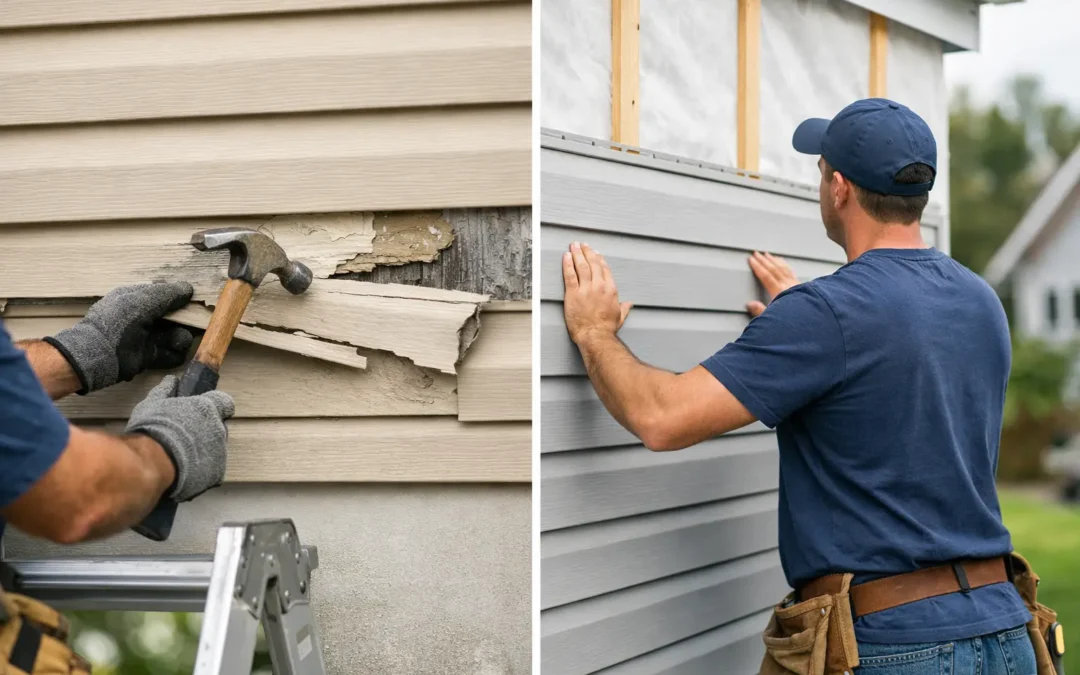
A loose panel after a windstorm may look like a small exterior problem. But siding is part of your property’s weather barrier, and a gap can allow water, pests, and cold air behind the wall. When homeowners weigh siding repair versus replacement, the right choice comes down to the extent of the damage, the age of the material, and whether the underlying structure is still protected.
A professional assessment should not begin with a sales pitch for a full replacement. It should begin with a clear answer: can the damaged area be repaired in a way that restores protection and matches the rest of the exterior? Sometimes the answer is yes. Other times, a repair only delays a larger and more expensive problem.
When Siding Repair Is the Smart Choice
Targeted siding repair is often the most sensible option when damage is limited, the existing siding is in otherwise good condition, and replacement materials are available. A cracked vinyl panel, a few pieces of loose trim, or localized damage from a fallen branch does not automatically mean your entire home needs new siding.
Repair is especially practical when the issue has a clear cause and has not spread. For example, a single section damaged by a baseball, lawn equipment, or a small storm event can often be removed and replaced without disturbing the rest of the wall. Properly secured and flashed repairs can restore the exterior’s appearance while keeping moisture out.
The condition behind the siding matters just as much as what you can see from the yard. If the house wrap, sheathing, and framing are dry and sound, a local repair can provide lasting value. The goal is not just to make the siding look better. It is to restore the protective layer that keeps the building envelope working as intended.
Repair may also make sense for newer homes where the manufacturer still offers the same profile and color. Even then, expect some variation. Sun exposure naturally fades siding over time, so a new panel may look slightly different from older panels until it weathers in.
Signs a Simple Repair May Not Be Enough
Siding problems tend to become replacement candidates when they are widespread, recurring, or connected to water intrusion. A contractor can replace a cracked board. They cannot make an aging system dependable by repeatedly patching material that is failing in multiple places.
Watch for broad areas of warping, buckling, cracking, rot, or loose panels. These signs can indicate that the siding has reached the end of its service life or that moisture is affecting the wall behind it. Wood siding that feels soft, flakes heavily, or shows persistent rot often needs more than spot treatment. Vinyl siding that has become brittle can crack again during the next freeze-thaw cycle or wind event.
Peeling paint is not always a replacement issue, but paint that fails repeatedly in the same areas deserves a closer look. It may point to trapped moisture, failed caulking, inadequate flashing, or poor ventilation. Covering those conditions with fresh paint or a few replacement boards does not solve the source of the damage.
Inside the property, water stains, musty odors, drafty rooms, or unexplained increases in heating and cooling costs can also matter. Siding is not the only possible cause, but these symptoms can signal a compromised exterior wall. In the Hudson Valley, where snow, rain, humidity, and winter temperature swings put exterior materials under pressure, small openings should be addressed before they turn into structural repairs.
Siding Repair Versus Replacement: The Cost Question
The lower upfront price of a repair can be appealing, and in many cases it is the right investment. But the least expensive job today is not always the lowest-cost solution over the next several years.
A one-time repair is usually cost-effective when it fixes isolated damage and protects a siding system with plenty of useful life left. Replacement becomes more cost-effective when repair calls are becoming frequent, matching materials are no longer available, or the contractor finds damage beneath multiple sections of siding.
Consider the full scope of the project. Replacement allows the exterior wall to be inspected, damaged sheathing to be corrected, and weather-resistant barriers and flashing to be installed or improved where needed. It can also provide a more consistent appearance and reduce the maintenance demands of older materials. For a rental property or commercial building, that predictability can be particularly valuable.
Financing can change the conversation as well. If repeated repairs are draining the maintenance budget, a planned replacement with manageable payments may be easier to control than emergency work after a leak or storm. The right decision should fit both the building’s condition and the owner’s financial priorities.
How Age and Material Affect the Decision
Different siding materials fail differently. Vinyl may crack, fade, or loosen around fasteners. Fiber cement can develop cracks or edge damage if it was installed incorrectly or exposed to repeated moisture. Wood can rot, split, and attract insects when paint and caulking fail. Engineered wood and composite products can perform well, but they still require correct installation and careful attention to flashing details.
Age alone does not require replacement. Well-installed siding that has been maintained can continue protecting a property for years. Still, an older system with several visible issues deserves an honest evaluation. The question is whether the siding is showing one isolated defect or a pattern of declining performance.
Matching can also affect the decision. If discontinued siding cannot be matched closely, a small repair may leave a noticeable patch. Some homeowners are comfortable with that trade-off. Others prefer replacement on one elevation or the entire home to create a uniform finish. Neither choice is automatically right. It depends on budget, curb appeal goals, and how long you expect to own the property.
Do Not Ignore What Is Behind the Siding
The most serious siding damage is often hidden. Water can enter through cracked caulk, failed trim, improperly installed flashing, or openings around windows and doors. Once moisture gets behind the siding, it can damage insulation, sheathing, and framing before obvious stains appear indoors.
That is why a dependable contractor checks the details around the damaged section instead of simply covering it. They should look at transitions around roofs, windows, doors, decks, gutters, and exterior penetrations. These are common points where water management can fail.
A repair that includes proper flashing, fastening, and sealing can stop a localized problem. If the inspection finds widespread moisture damage, replacement may be the responsible path because it gives the crew access to correct the wall assembly, not just the visible surface.
What a Professional Siding Evaluation Should Include
Before approving work, ask for a straightforward explanation of what is damaged, what caused it, and what each option will accomplish. You should understand whether the problem is cosmetic, weather-related, installation-related, or connected to hidden moisture.
A thorough evaluation should include a close look at the affected siding, trim, caulk lines, flashing, and nearby roof and gutter conditions. The contractor should explain whether a repair can be color-matched, whether adjacent sections may need attention, and what warranty applies to the work. Clear documentation and a clean jobsite matter too, especially when the project involves opening exterior walls around an occupied home or business.
CPG Roofing & Siding helps property owners make this decision with the protection of the building in mind first. Whether the solution is a focused repair or a planned replacement, the work should be organized, clearly communicated, and completed with attention to the details that keep water out.
Make the Decision Before the Next Storm
If your siding has a single damaged area and the rest of the system is performing well, repair may be all you need. If damage is spreading, material is aging out, or moisture has reached the wall beneath, replacement can protect your property from much bigger problems.
Do not wait for a loose panel, soft trim board, or recurring leak to become an emergency. Schedule an inspection while the issue is still manageable, get clear options, and choose the solution that gives your home or building dependable protection for the seasons ahead.