A new roof is not just a visible upgrade. It is the barrier that keeps wind-driven rain, melting snow, ice, and moisture away from your home or business. For an orange county roof installation, the best results come from planning for local weather, addressing hidden deck issues, and choosing a contractor who treats the whole property with care.
A roof can look acceptable from the ground while its underlayment, flashing, ventilation, or decking is already failing. That is why installation should never be treated as a simple shingle swap. The materials matter, but so does the system beneath them and the workmanship that holds it together.
Orange County Roof Installation Starts Below the Shingles
Before a new roof is installed, the existing roof needs a close evaluation. A professional inspection should look for missing or damaged shingles, soft spots, sagging areas, aging flashing, clogged ventilation paths, and signs of water intrusion in the attic. If a leak has reached the roof deck, covering it with new materials will not solve the real problem.
Tear-off and overlay are two different approaches. An overlay places new shingles over one existing layer. It may cost less upfront, but it can conceal deteriorated decking, add weight to the roof structure, and make future repairs harder to diagnose. A full tear-off gives the installer a clear view of the deck and creates a cleaner foundation for a new roofing system.
It depends on the condition of your roof and local requirements, but many owners benefit from a full replacement when the existing roof is near the end of its service life or has repeated leaks. The right recommendation should be explained clearly, with the reason behind it – not pushed as a one-size-fits-all answer.
What a Complete Roofing System Should Include
Shingles get the attention, but they are only one layer of protection. A properly installed roof is a coordinated system designed to shed water, manage airflow, and protect vulnerable transitions.
The roof deck provides the base. Any rotted, delaminated, or weakened sections should be replaced before installation continues. Next come the underlayment and ice-and-water protection. These materials provide a secondary line of defense where water is most likely to back up or find its way beneath the shingles, especially around eaves, valleys, and roof penetrations.
Flashing is equally critical. Chimneys, skylights, vent pipes, sidewalls, and valleys need carefully fitted flashing to direct water away from the roof assembly. Many leaks blamed on “bad shingles” actually begin at a flashing detail that was rushed, reused when it should have been replaced, or installed incorrectly.
Ventilation completes the system. Balanced intake and exhaust ventilation can help limit heat and moisture buildup in the attic. That matters in the Hudson Valley, where seasonal temperature swings can contribute to condensation, ice dam risk, and premature wear. Ventilation is not identical on every property, so it should be designed around the roof layout, attic conditions, and existing ventilation paths.
Choosing Materials for Your Property
Asphalt shingles are a practical choice for many residential properties because they offer reliable weather protection, broad style options, and a range of price points. Architectural shingles are thicker and more dimensional than basic three-tab shingles, and they are often selected for their appearance and durability.
Metal roofing can be a strong option for owners who want a long-lasting material with a distinctive look. It may cost more at installation, and details such as fastening, flashing, snow management, and noise expectations need thoughtful planning. It is not automatically the best fit for every budget or roof design, but it can perform exceptionally well when specified and installed correctly.
Low-slope residential sections and commercial roofs call for different materials and installation methods than steep-slope shingle roofs. Membrane systems, drainage design, seams, edge details, and rooftop equipment all affect performance. A commercial roof should be evaluated for how water moves across the surface, not simply how the finished material looks on day one.
Color and style should complement the exterior, but long-term performance deserves equal attention. Ask how the selected material handles wind, whether the system warranty has specific installation requirements, and what maintenance will be needed over time.
What to Expect During Installation
A professional installation should feel organized from the estimate through final cleanup. Before work begins, you should understand the scope, material selection, expected schedule, payment terms, warranty information, and how unexpected deck repairs will be handled if they are found.
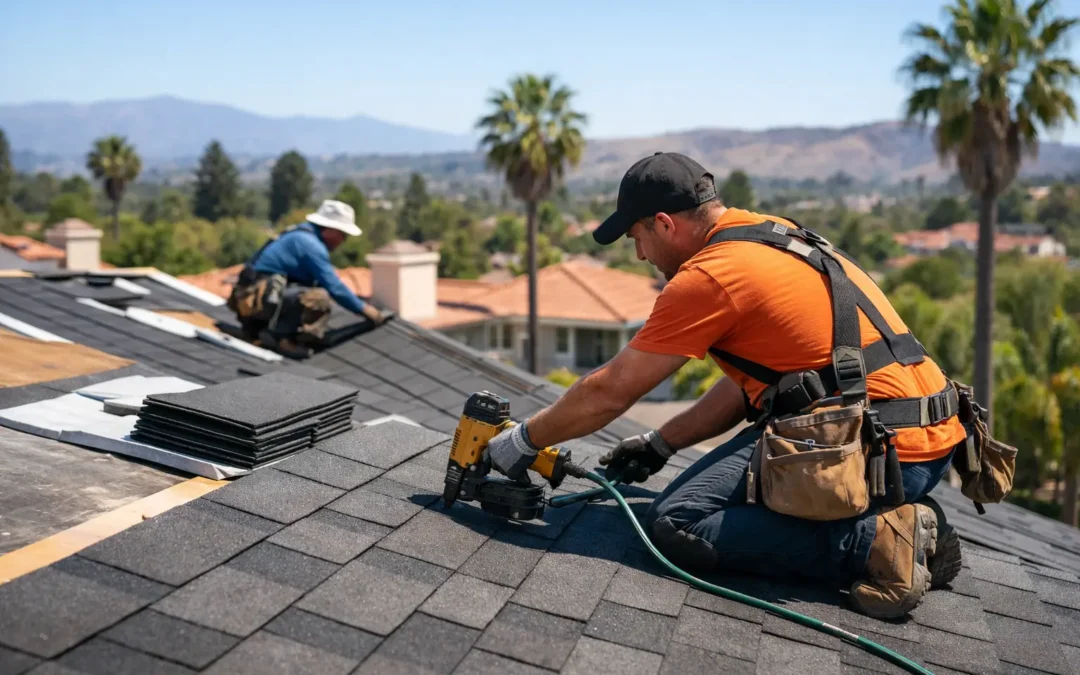
On installation day, the crew should protect landscaping, siding, driveways, and outdoor areas as practical for the site. Old roofing materials are removed, the deck is inspected, and damaged sections are addressed before the new system goes on. Weather can affect the schedule, particularly when rain, high winds, or unsafe conditions are expected. A contractor who pauses work for safety and proper installation is protecting your property, not delaying it without reason.
Cleanup is part of the job. Roofing debris, nails, and material scraps should be collected thoroughly, including around walkways, landscaping, and drive areas. Final cleanup matters even more for homes with children, pets, or active businesses. You should also receive a walkthrough or clear final communication explaining what was completed and what to watch for afterward.
Questions That Protect Your Investment
Price matters, but the lowest estimate is not always the lowest cost. A vague quote can leave out tear-off, underlayment, flashing replacement, deck repairs, disposal, permits, or cleanup. Those omissions may reappear later as change orders or shortcuts.
Ask whether the contractor is properly insured, what certifications they hold, who will perform the work, and whether the estimate identifies the full roofing system. Ask how they handle concealed damage discovered after tear-off. A dependable contractor will explain the process before work starts and document necessary changes rather than making assumptions.
It is also wise to compare warranty details. Manufacturer coverage and workmanship coverage are not the same thing. Material warranties may depend on approved components and installation practices, while workmanship coverage addresses the quality of the installation itself. Read the terms, understand who stands behind the work, and keep your project documents in a safe place.
For owners considering financing, the important question is not simply whether financing is available. Review the payment schedule, term length, interest or promotional terms, and total project cost. The right roof should fit the property’s needs without creating avoidable pressure on your budget.
Timing a Roof Replacement Before Damage Spreads
A roof does not need to be actively leaking into a room before it deserves attention. Curling or missing shingles, exposed nail heads, granules in gutters, recurring repairs, interior stains, moldy attic odors, and visible sagging all warrant an inspection. After a major storm, a prompt inspection can identify damage before a minor opening becomes insulation damage, deck rot, or an interior repair.
For urgent leaks, temporary protection and fast repair may be necessary before a full replacement can be scheduled. Emergency response can limit additional damage, but a temporary patch should not replace a careful assessment of the roof’s overall condition.
CPG Roofing & Siding approaches roof work with the protection of the entire property in mind: clear communication, certified workmanship, clean job sites, and durable solutions built for local conditions. Whether the need is residential replacement, commercial installation, or storm-related repair, the goal should be the same – a roof you can rely on when the weather turns.
A roofing decision is easier when you have a clear scope, honest answers, and a contractor willing to inspect the details that are easy to miss. Schedule an evaluation before the next leak forces the decision for you.