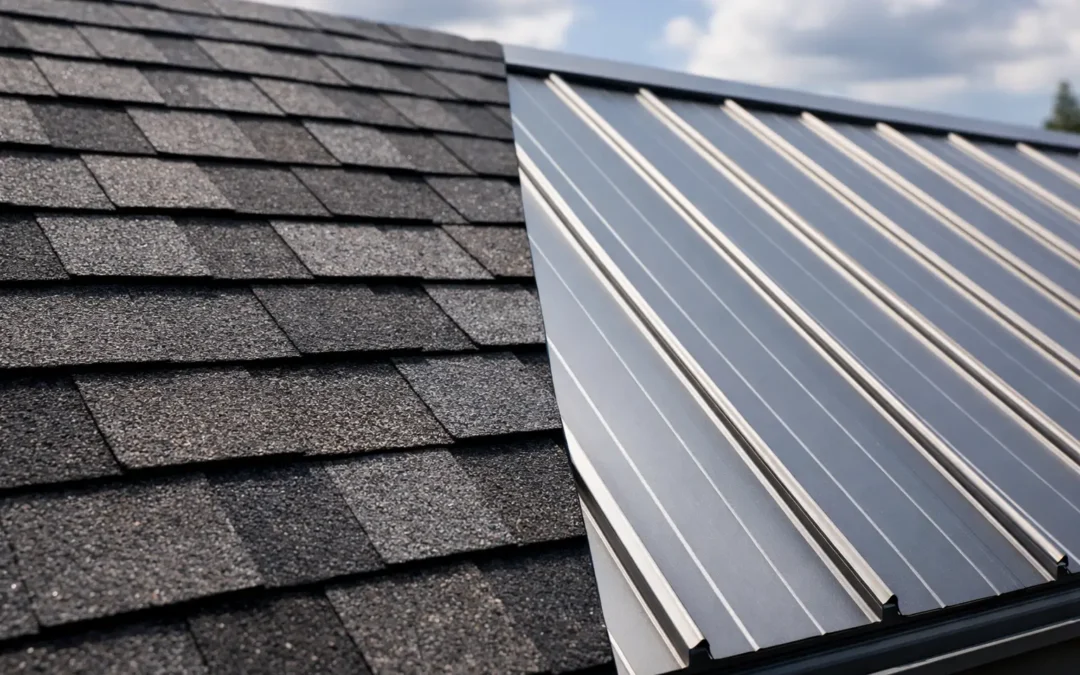
A roof replacement usually starts with one question that sounds simple and gets expensive fast: asphalt shingles vs metal roofing. If your roof is aging, leaking, or showing storm damage, the right choice is not just about curb appeal. It is about how long you plan to stay, how much maintenance you can tolerate, and how much protection you want when Hudson Valley weather gets rough.
For many property owners, both options can be the right choice. The difference is in where each system performs best, what it costs over time, and how well it matches the structure underneath it.
Asphalt Shingles vs Metal Roofing: What Changes Most
The biggest difference between asphalt shingles and metal roofing is how they handle time. Asphalt shingles are the familiar standard for a reason. They are affordable, widely available, and a strong fit for many homes. Metal roofing costs more upfront, but it tends to last longer and hold up better against severe weather, temperature swings, and long-term wear.
That does not mean metal is automatically the smarter buy. If you are replacing a roof on a home you may sell in a few years, asphalt may give you the practical value you need without pushing the budget too far. If you are planning to stay put and want fewer replacement cycles, metal starts to look a lot more attractive.
Style matters too. Asphalt shingles blend easily into most neighborhoods and architectural styles. Metal has expanded well beyond the old barn-roof look, but it still makes a stronger visual statement. Some homeowners love that. Others do not.
Cost: Upfront Price vs Long-Term Value
For most homeowners, cost is where the decision gets real. Asphalt shingles almost always win on initial price. Installation is generally faster, materials are less expensive, and repairs are usually simpler. If the roof needs to be replaced because of age or a recent leak and you need a dependable system without stretching finances, shingles are often the practical path.
Metal roofing asks for a bigger investment at the start. The material itself costs more, and installation requires more specialized skill. That higher price can still make sense if you are looking at the full life of the roof instead of just the invoice in front of you.
A metal roof can outlast multiple asphalt roof cycles, depending on the system and conditions. That changes the math. A lower upfront price is not always the lower total cost if the roof has to be replaced again much sooner.
This is where honest planning matters. If budget is tight now, asphalt may be your best option. If you can invest more to reduce future replacement needs, metal may deliver stronger long-term value.
Lifespan and Durability
When homeowners ask which roof lasts longer, metal is the clear winner. Asphalt shingles can provide solid performance for many years, especially when properly installed and ventilated. But they are still more vulnerable to granule loss, cracking, curling, and general aging over time.
Metal roofing is built for longevity. It resists many of the slow breakdown issues that affect shingle systems. It also handles freeze-thaw cycles better, which matters in regions where winter weather is not just cold but repetitive and hard on roofing materials.
That said, lifespan is never just about the material. Installation quality matters just as much. A premium roof installed poorly is still a problem roof. Flashing details, underlayment, ventilation, fastening, and cleanup all affect how the system performs. That is one reason property owners should look beyond the product brochure and focus on who is doing the work.
Storm Performance and Weather Resistance
If your property sees heavy rain, snow loads, high winds, or ice buildup, roofing performance becomes less theoretical. It becomes personal.
Asphalt shingles can perform very well in bad weather, especially architectural shingles rated for wind resistance. They are a proven option for many homes in New York. But they can be more vulnerable to wind uplift, impact damage, and moisture issues if the roof is older or the installation was rushed.
Metal roofing has a stronger reputation in extreme conditions. It sheds snow and rain efficiently, resists fire, and generally stands up well to wind. In areas where storm exposure is a regular concern, that added resilience can be a major selling point.
Still, no roof system is immune to damage. Metal can dent from large hail or impact, and poorly detailed panels can lead to leaks around fasteners or penetrations. Asphalt can lose shingles or develop weak spots after repeated weather exposure. The stronger option is the one that fits the building, the climate, and the quality of installation.
Maintenance and Repairs
Asphalt shingles are familiar to most contractors, which can make repairs more straightforward. If a few shingles are damaged, isolated repairs are often possible. That can be helpful for homeowners managing a roof over time instead of replacing it immediately.
Metal roofs are generally lower maintenance, but when repairs are needed, they can be more specialized. Matching panel profiles, addressing fastener issues, or correcting flashing details requires experience. The roof may need less attention overall, but it should still be inspected regularly, especially after storms.
For many owners, the real issue is predictability. Asphalt may involve more routine aging concerns. Metal may involve fewer problems, but the fixes can be more technical. Neither system should be treated as install-and-forget.
Energy Efficiency and Comfort
Metal roofing often gets attention for energy efficiency, and that is fair. Many metal systems reflect more solar heat than traditional asphalt roofs, which can help reduce cooling demands in warmer months. That benefit depends on the coating, color, insulation, and overall roof assembly, not just the material alone.
Asphalt shingles can still perform well, especially with proper attic ventilation and updated roofing components. If your home is poorly ventilated or under-insulated, changing the roofing material alone will not solve comfort problems.
This is a good example of where sales claims can get ahead of reality. A roof is one part of a larger system. If energy performance is a top priority, the conversation should include ventilation, insulation, and attic conditions along with the roof covering itself.
Appearance and Property Value
Asphalt shingles remain the most common roofing choice because they fit almost anywhere. They come in a wide range of colors and profiles, and they work with traditional, suburban, and many multifamily properties without drawing too much attention.
Metal roofing offers a cleaner, more distinctive look. On the right home, it can elevate the entire exterior. On the wrong home, it can feel out of place. This is less about better or worse and more about architectural fit.
Property value is also not one-size-fits-all. Some buyers see metal as a premium upgrade. Others care more about whether the roof is new, sound, and backed by a strong warranty. If resale is a factor, the best move is usually the one that fits your market and avoids overbuilding for the neighborhood.
When Asphalt Shingles Make More Sense
Asphalt shingles are often the better choice when budget is the first concern, when the home style calls for a traditional look, or when you need a reliable replacement without the premium cost of metal. They are also a smart fit for many rental properties and homes where the owner wants solid protection but does not plan to stay for decades.
They are not the cheap option in a negative sense. When installed correctly with quality materials, shingles provide dependable performance and strong value.
When Metal Roofing Makes More Sense
Metal roofing makes sense when long-term durability matters more than low upfront price. It is a strong option for owners planning to stay put, properties exposed to tough weather, and buildings where reduced maintenance and longer service life justify the investment.
It can also be the right move when you want stronger resistance to snow, wind, and fire, or when the design of the home supports the look of metal panels.
The Real Answer Depends on Your Roof
The best choice is not decided in a showroom. It is decided on your property, with your budget, your goals, and the actual condition of your roof deck, attic ventilation, flashing, gutters, and drainage. A roof that looks like a simple replacement from the ground can reveal deeper issues once it is inspected.
That is why a professional assessment matters. A contractor should explain the trade-offs clearly, not push one material because it is easier to sell. If a roof system is right for your home, the reasons should be specific and easy to understand.
Strong roofs protect more than shingles and decking. They protect the people and property underneath them. If you are weighing asphalt against metal, take the extra time to choose the system that fits your next 20 years, not just your next estimate.