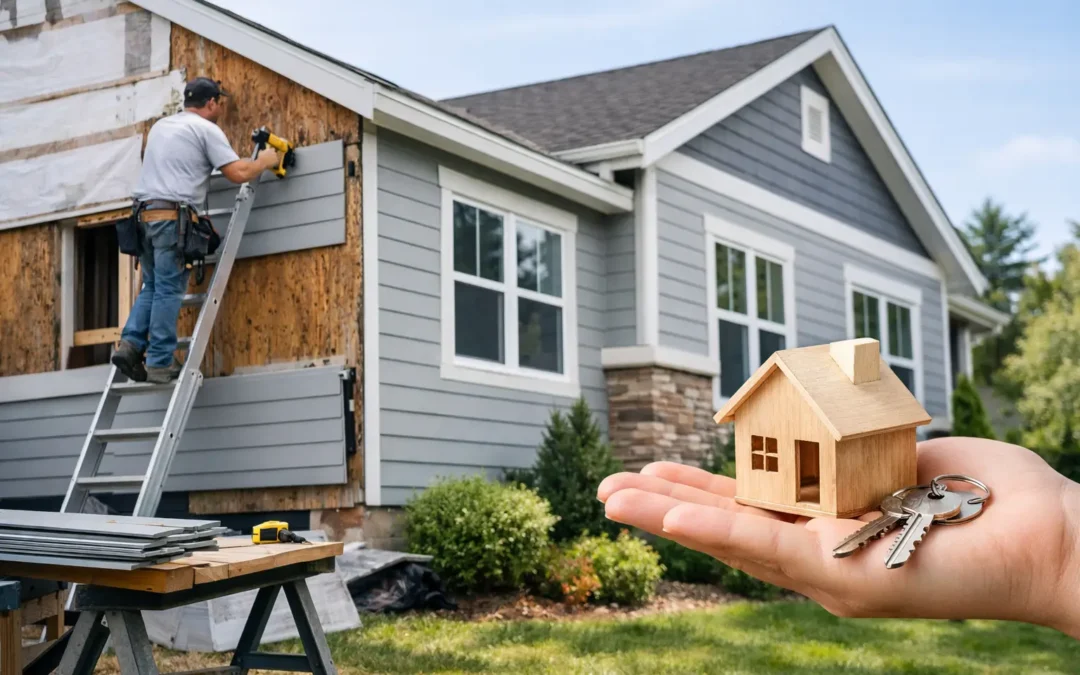
A buyer pulls up to your home before they see the kitchen, flooring, or square footage. If the siding is faded, cracked, warped, or visibly patched, it can create doubt about the property’s condition right away. So, does new siding increase value? In many cases, yes. New siding can improve curb appeal, reduce maintenance concerns, protect the structure, and make a home easier to market. But the return depends on the material, the quality of installation, the home’s current condition, and the expectations in your neighborhood.
For Hudson Valley homeowners, siding is more than a cosmetic finish. It is a first line of defense against rain, wind, seasonal temperature swings, moisture, and pests. A well-planned replacement can protect the investment you already have while making the property more appealing to future buyers.
Does New Siding Increase Value at Resale?
New siding can increase a home’s resale value, but it should not be treated as a guaranteed dollar-for-dollar return. Buyers do not always pay the full cost of a replacement back to the seller. What quality siding often does is prevent a price reduction, shorten the time a home sits on the market, and help the home compete against similar properties.
That distinction matters. If your existing siding has failed, replacing it may be less about adding a luxury feature and more about removing an obvious reason for buyers to negotiate. A buyer who sees peeling paint, loose panels, rotted trim, or water stains may assume there are larger problems behind the walls. They may request repairs after an inspection, offer less, or move on to a home that feels better maintained.
On the other hand, a home with clean, consistent siding communicates care. It tells buyers that the exterior has been maintained and that they may not need to take on a major project immediately after closing. That peace of mind has real value, especially when buyers are already stretching their budgets.
Why Buyers Put So Much Weight on Siding
Siding affects several parts of a buyer’s decision at once. The most obvious is curb appeal. Color, profile, trim details, and overall condition shape the first impression of the property. Fresh siding can make an older home look cared for, current, and ready for the next owner.
It also affects perceived maintenance. Buyers understand that exterior work is expensive, disruptive, and weather-dependent. A property with failing siding can feel like a project before they have even stepped inside. New siding removes one large item from their near-term to-do list.
Protection is another major factor. Damaged siding can allow water intrusion, contribute to rot, and leave insulation or framing vulnerable. Even if the damage is limited, a buyer may worry about what an inspection will uncover. Proper siding replacement, including flashing, trim, and water-management details, helps show that the home has been protected rather than simply covered up.
Finally, better siding can support energy efficiency. This is especially true when replacement includes housewrap improvements, careful air sealing, and insulation upgrades where appropriate. Siding alone does not magically transform energy bills, but a complete exterior system can reduce drafts and improve comfort.
The Material You Choose Changes the Value Story
Not every siding replacement sends the same message to buyers. The best material is not always the most expensive option. It is the option that fits your home, budget, maintenance preferences, and local market.
Vinyl Siding
Vinyl remains a popular choice because it is cost-conscious, durable, and low maintenance. Modern vinyl siding is available in more colors and profiles than older products, and a professional installation can give a home a clean, finished appearance. For many homeowners, it delivers a strong balance of appearance and practical value.
The trade-off is that quality varies. Thin, poorly installed vinyl can look uneven, buckle in heat, or leave trim details looking unfinished. Choosing a dependable product and an experienced installer matters as much as the siding category itself.
Fiber Cement Siding
Fiber cement is often chosen for its durability, crisp appearance, and resistance to rot and insects. It can resemble painted wood while requiring less frequent maintenance than traditional wood siding. In neighborhoods where buyers expect an upscale exterior, fiber cement may support stronger perceived value.
It also comes with a higher installation cost and requires careful handling. The material is heavy, and incorrect flashing, cutting, fastening, or paint application can reduce its long-term performance. This is not a job to leave to a crew without siding-specific experience.
Engineered Wood and Natural Wood
Engineered wood can provide warmth and architectural character with improved durability over some traditional wood products. Natural wood can be beautiful on the right home, particularly in historic or rustic settings, but it asks more from the owner. Regular painting or staining and fast attention to moisture issues are part of the commitment.
These materials can add appeal when they match the style of the house and neighborhood. They may not deliver the same value if they create a maintenance burden that local buyers do not want.
Installation Quality Has a Direct Effect on Value
New siding only helps when the work behind it is done correctly. The visible panels are one part of the system. The details around windows, doors, rooflines, chimneys, corners, and transitions are where water can become a problem if the installation is rushed.
A professional siding contractor should inspect for rot or damaged sheathing before covering the walls. They should address proper flashing, housewrap, ventilation considerations, trim, and drainage planes. Skipping these steps may create a fresh-looking exterior that hides a future repair bill.
This is also why the lowest estimate is not always the best value. A lower price can be appropriate when the scope is truly comparable, but homeowners should make sure each proposal includes the same material grade, tear-off work, repairs, trim, disposal, warranty coverage, and cleanup. Clear communication before work begins helps prevent expensive surprises later.
When Replacing Siding Makes the Most Financial Sense
If you plan to sell soon, replacement is usually easiest to justify when the existing siding has visible damage or is hurting curb appeal. Repairing a few isolated areas may be smarter when most of the siding is sound and the color still matches. A complete replacement makes more sense when repairs are recurring, the siding has reached the end of its service life, or water damage is becoming a concern.
Homeowners planning to stay put also have a different calculation. You may not recover every dollar at resale, but you still receive years of protection, easier upkeep, improved appearance, and possibly better comfort. That can make replacement worthwhile well before you list the property.
Timing matters, too. Do not wait for minor cracks, loose panels, or failing caulk to become widespread water damage. Addressing a problem early can preserve framing and insulation that cost far more to repair than siding alone. After storms or strong winds, an exterior inspection can help determine whether damage is cosmetic or needs prompt attention.
How to Make a Siding Project Work Harder for Your Home
A siding project has the strongest impact when it looks intentional. Choose a color that fits the architecture and surrounding homes rather than chasing a short-lived trend. Coordinate trim, shutters, gutters, and exterior lighting so the finished result feels complete.
Take care of nearby issues before the new siding goes up. Damaged gutters, roof leaks, overgrown branches, and failed window trim can all threaten a new exterior. If water is overflowing from gutters or coming off the roof in the wrong place, solve that drainage problem first.
Keep documentation of the work, including the contract, materials, warranty information, and photos of any repairs completed behind the siding. When it is time to sell, those records help demonstrate that the project was handled professionally. They also give you a clear reference if warranty service is ever needed.
For homeowners in Orange, Dutchess, Ulster, and Sullivan counties, choosing a contractor who understands local weather exposure can make a practical difference. CPG Roofing & Siding can inspect the condition of your exterior, explain whether repair or replacement is the smarter move, and provide a clear scope before work begins.
The best reason to install new siding is not to chase a number on a spreadsheet. It is to protect the home, remove uncertainty, and give future buyers one less reason to hesitate. When the material fits the property and the installation is done right, the value shows up every time someone pulls into the driveway.