A siding sample can look nearly identical under showroom lighting, yet perform very differently after years of Hudson Valley freeze-thaw cycles, wind-driven rain, summer heat, and everyday impacts. That is the real purpose of a vinyl siding brands review: not to name one automatic winner, but to help you identify the product and installation standard that will protect your home for the long haul.
Vinyl siding remains a practical choice for many homeowners because it does not need painting, resists moisture, and comes in a wide range of profiles and colors. But “vinyl siding” is not one product. Panel thickness, profile depth, insulation, color technology, accessory quality, and warranty terms can change the outcome significantly.
What separates good vinyl siding from basic siding?
The most useful comparison starts with the panel itself. Lower-cost siding is often thinner and more flexible. It can be appropriate for a shed, a rental property, or a short-term exterior refresh, but it may show waviness if the wall beneath it is uneven or if installation is rushed. It can also be more vulnerable to impact damage in cold weather.
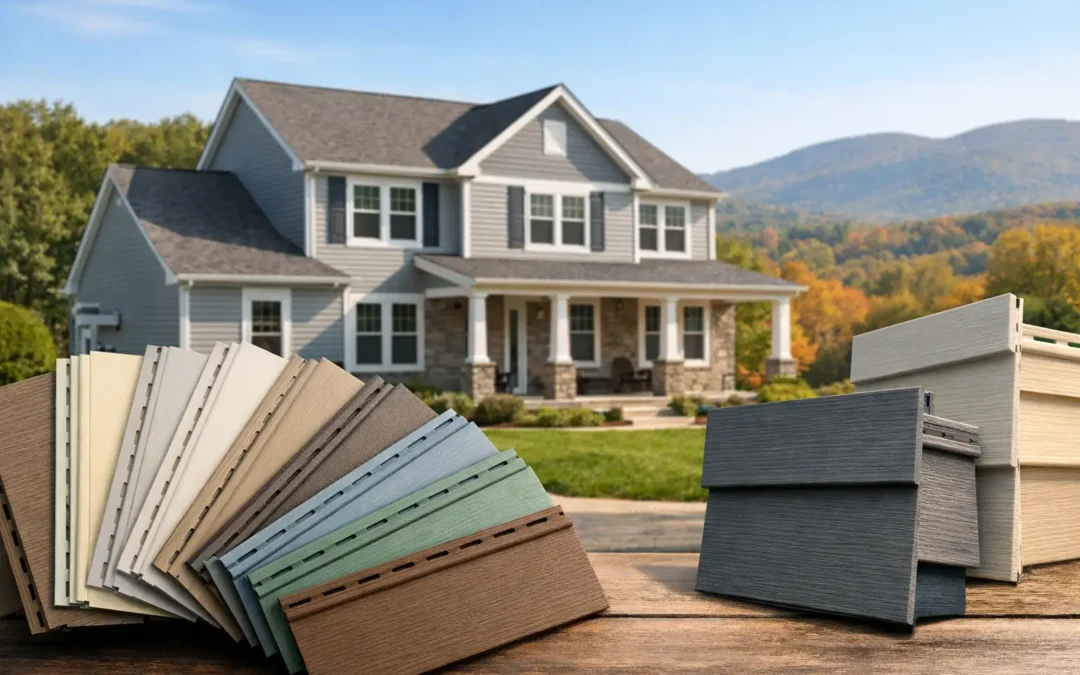
Premium panels generally have a heavier feel, deeper wood-grain texture, more rigid locking systems, and better resistance to warping. That does not mean every home needs the most expensive line. It means the siding should match the home’s exposure, condition, and ownership plan. A shaded bungalow with protected walls has different needs than a wind-exposed home on a hill or a commercial property that sees frequent traffic.
Look beyond the main panel, too. Corners, starter strips, soffit, trim, flashing details, and housewrap determine whether the system sheds water correctly. A high-end panel cannot make up for poorly integrated trim or missing water-management details around windows and doors.
Vinyl siding brands review: the major names to consider
Several established manufacturers offer reliable vinyl siding lines, and each has products positioned at different price points. Product availability can vary by distributor, color selection, and local demand, so the best brand on paper is not always the best choice for a specific project.
CertainTeed
CertainTeed is often considered when homeowners want a broad selection of profiles, colors, and upgrade options. Its lineup includes traditional lap siding, Dutch lap, vertical panels, shakes, and insulated options. Many homeowners appreciate the more substantial appearance available in its higher-tier collections.
The trade-off is cost. Some CertainTeed products can carry a higher material price, particularly thicker or insulated panels. For a homeowner planning to stay in the house for many years, that added investment may be worthwhile. For a budget-sensitive project, a contractor can help compare a mid-range CertainTeed option with similarly rated products from other manufacturers.
Mastic by Ply Gem
Mastic is a familiar choice for homeowners seeking a balance of durability, appearance, and value. Its product range includes standard and insulated vinyl siding, with colors and profiles that work well on traditional Hudson Valley homes.
Mastic can be a strong fit when you want dependable siding without moving immediately to the highest-priced category. As with any brand, compare the specific line rather than relying on the name alone. A contractor should explain panel thickness, wind rating, insulation backing, and the warranty attached to the exact product being quoted.
Alside
Alside offers vinyl siding in several profiles and price ranges, making it a common option for replacement projects. Homeowners often consider it for straightforward lap-siding installations and classic exterior updates. Its broad availability can also help keep a project moving when timing matters.
The key is selecting the right grade for the home. Entry-level products may deliver the clean, low-maintenance look many owners want, while upgraded lines provide more rigidity and visual depth. If your current exterior has uneven walls or visible settling, a thinner product deserves extra scrutiny because it can telegraph those imperfections.
Norandex
Norandex siding is another brand frequently used in residential replacement work. It offers conventional vinyl styles as well as products designed for greater strength and improved curb appeal. For homeowners comparing quotes, Norandex can be a sensible value-focused contender.
Do not compare only by color or price per square. Ask how the quoted profile handles wind, how the panels lock together, and whether the contractor is including all required accessories. A lower initial quote may exclude details that affect both appearance and protection.
Georgia-Pacific
Georgia-Pacific has long been recognized in the exterior building-products market. Its vinyl siding options appeal to homeowners looking for traditional styling and practical maintenance benefits. Depending on the line, it can be a good match for renovations where cost control is a priority.
As with the other brands, the final result depends on the product tier and the installation. A properly installed mid-range panel can outperform a premium panel that is nailed too tightly, installed over damaged sheathing, or finished with weak flashing details.
Insulated vinyl siding: when it earns its higher price
Insulated vinyl siding includes a rigid foam backing that supports the panel and can improve its resistance to dents and waviness. It may also add a modest thermal benefit by reducing heat loss through wall framing. In a region with cold winters, that can be attractive.
Still, insulated siding is not a substitute for proper wall insulation, air sealing, or moisture control. If a home has active leaks, rotted sheathing, or poor attic ventilation, those issues need attention before new siding goes on. Covering a problem does not solve it.
Insulated siding makes the most sense when you want a more solid appearance, have exposed walls that receive strong weather, or are already planning a long-term exterior upgrade. Standard premium vinyl can be the better value when the existing wall assembly is sound and the primary goal is a clean, durable replacement.
Warranties matter, but installation matters more
Most major vinyl siding brands offer limited warranties, often with provisions related to manufacturing defects and color performance. Those warranties are worth reviewing, but homeowners should read the exclusions. Damage from impacts, extreme conditions, improper installation, or building movement may not be covered in the way people expect.
The workmanship warranty is equally important. Vinyl expands and contracts with temperature changes. Panels must be fastened at the correct points, with enough room to move. Nails driven too tight can cause buckling. Panels cut too short can separate. Flashing installed incorrectly can direct water behind the siding instead of away from the home.
Before approving a proposal, ask whether the contractor will inspect the substrate, replace damaged sheathing if found, install weather-resistive protection where needed, and detail openings correctly. These are not extras. They are part of a siding system that is supposed to protect the structure.
How to choose the right brand for your property
Start with your priorities: long-term durability, insulation, appearance, budget, or a combination of all four. Then compare actual samples outdoors. Look at them in daylight, not just under indoor lighting. Dark colors can look dramatically different in sun and shade, and deeper profiles can create stronger shadow lines on larger walls.
Next, consider the house itself. Older homes may need more preparation behind the siding. Homes with substantial sun exposure may benefit from careful color selection. Properties with frequent wind exposure need properly rated products and a contractor who follows the manufacturer’s fastening requirements.
A clear estimate should identify the siding brand, product line, profile, color, accessories, removal or disposal work, and any anticipated repairs. If a quote simply says “vinyl siding,” there is not enough information to make a fair comparison.
For homeowners in Orange, Dutchess, Ulster, and Sullivan counties, CPG Roofing & Siding can inspect the existing exterior, explain material options plainly, and provide a detailed scope before work begins. The goal is not to push the most expensive panel. It is to install a siding system that fits your home, your budget, and the weather it must handle.
The best choice is usually the brand and product line that comes with a clear installation plan, honest warranty explanation, and a contractor prepared to correct what is behind the old siding before covering it. That is how a new exterior stays straight, dry, and dependable long after the first impression fades.