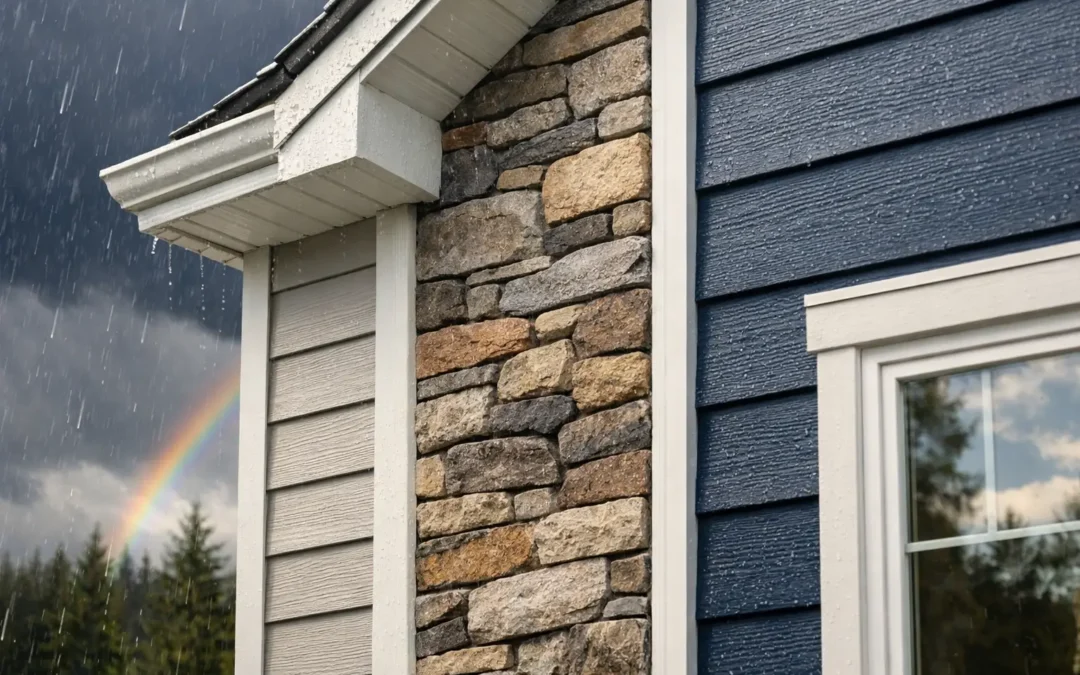
When a storm rolls through, siding stops being a design choice and starts acting like your home’s shield. If you are weighing the best siding for weather protection, the right answer depends on what your property is up against most often – wind-driven rain, freeze-thaw cycles, snow load, humidity, or flying debris.
In the Hudson Valley, that question matters. Homes here deal with wet springs, hot summers, winter ice, and the kind of weather swings that test every seam, panel, and piece of trim. A siding product can look great on day one and still underperform if it is not matched to the local climate, the wall system underneath it, and the quality of the installation.
What makes the best siding for weather protection?
Weather resistance is not just about the outer panel. Good siding performance comes from a system: the material itself, the house wrap or moisture barrier behind it, the flashing around windows and doors, proper trim details, and clean installation. When one part fails, water can work its way inside.
That is why the best siding for weather protection is usually the one that handles moisture well, resists impact, holds up to wind, and does not create constant maintenance problems. It also needs to fit the house. A shaded property with tree coverage has different moisture risks than a home exposed to open wind.
Cost matters too, but the cheapest option is not always the lowest-cost option over time. If a material saves money upfront but warps, cracks, or needs repeated repairs, it can become the expensive choice.
Vinyl siding: affordable and dependable in many conditions
Vinyl is one of the most common siding choices for a reason. It is cost-effective, widely available, and performs well against rain when installed correctly. It does not absorb water, it will not rot, and modern insulated options can add another layer of protection.
For many homeowners, vinyl is the practical answer. It handles typical Northeast weather better than people sometimes assume, especially when paired with proper underlayment and flashing. It also requires relatively little maintenance compared with wood-based products.
The trade-off is impact resistance and extreme temperature movement. In very cold conditions, lower-grade vinyl can become more brittle. In high winds, poorly installed panels may loosen. Vinyl can also crack from hard impact, such as hail or debris. That does not make it a bad choice – it just means product quality and installation standards matter more than the brochure might suggest.
If budget is a major factor and you want reliable weather performance with lower upkeep, vinyl deserves serious consideration.
Fiber cement siding: strong against moisture, fire, and weather swings
Fiber cement is often one of the strongest contenders for weather protection. It is made to resist rot, insects, and many of the moisture issues that damage traditional wood siding. It also tends to perform well in climates with seasonal extremes.
One reason property owners like fiber cement is stability. It does not expand and contract the same way some lighter materials do, and it stands up well to wind and wet conditions when installed to manufacturer specifications. It also offers a more solid feel and can maintain its appearance for a long time.
The downside is weight, labor, and cost. Fiber cement is heavier and more installation-sensitive than vinyl, which means workmanship is critical. If cut, fastened, or flashed incorrectly, even a premium product can have problems. It also typically costs more upfront.
For homeowners who want a durable, long-term cladding with strong weather resistance and are willing to invest more at the start, fiber cement is often near the top of the list.
Engineered wood siding: better than traditional wood, but still climate-sensitive
Engineered wood offers the look of real wood with more resistance to moisture and pests than older wood siding options. It is treated and manufactured for better durability, and many property owners like it because it delivers warmth and curb appeal without all the vulnerabilities of natural wood.
That said, engineered wood still needs respect when it comes to moisture. If water gets behind the siding because of bad flashing, poor caulking, or neglected maintenance, the system can still suffer. It is generally more weather-capable than untreated wood, but it is not as forgiving as vinyl or fiber cement in consistently wet conditions.
This material can be a good fit for homeowners who care strongly about appearance and are willing to stay on top of maintenance. It is less ideal for anyone looking for the most worry-free option possible.
Metal siding: excellent durability, with a different look
Metal siding, including aluminum and steel options, performs very well against many weather threats. It is highly resistant to moisture, non-combustible, and often strong in windy conditions. It can be especially attractive for certain commercial properties and modern residential designs.
Steel, in particular, offers serious toughness. Aluminum resists rust naturally, while coated steel products can also perform well over the long term. These systems can handle harsh exposure better than many people expect.
The trade-offs come down to appearance, denting, and cost depending on the product. Some homeowners simply do not want the style. In certain cases, impact can leave visible dents, and installation details still matter around joints, trim, and penetrations.
If your priority is hard-wearing exterior protection and the style fits the property, metal siding is a strong weather performer.
Traditional wood siding: beautiful, but not the best for pure weather defense
Wood siding can be attractive and timeless, but if the goal is the best siding for weather protection, it usually does not lead the pack. Wood is naturally vulnerable to moisture, rot, insect activity, and repeated weather exposure unless it is maintained carefully.
That maintenance is where many problems begin. Paint fails, joints open, moisture gets trapped, and damage spreads quietly. In a region with rain, snow, and freeze-thaw cycles, that can turn into frequent upkeep and repair.
Wood can still make sense for historic homes or owners committed to its appearance, but it is rarely the first recommendation when protection and low maintenance are the top priorities.
So which siding performs best in harsh weather?
If you want the short answer, fiber cement and high-quality insulated vinyl are often the strongest all-around choices for residential weather protection. Metal can also be excellent, especially in the right design and application.
The better answer is more specific. If your main concern is moisture and long-term durability, fiber cement is hard to ignore. If you want lower cost, easier maintenance, and solid weather performance, vinyl is often the best value. If impact resistance and commercial-grade toughness matter most, metal deserves a close look.
There is no single universal winner because homes do not face the same conditions. A house on an exposed lot with driving wind may need different detailing than a sheltered home surrounded by trees. A rental property may need the most cost-efficient durability. A forever home may justify a higher upfront investment for longer-term performance.
Installation matters as much as the material
This is where many siding decisions go wrong. Property owners compare products but underestimate installation quality. Even the best siding can fail early if the moisture barrier is sloppy, the flashing is missing, or the trim work leaves entry points for water.
That is why contractor choice matters so much. A professional siding installation should account for drainage, ventilation where required, expansion and contraction, fastener placement, and local weather demands. Clean workmanship is not just about appearance. It directly affects whether the system protects the home the way it should.
For homes in areas like Orange, Dutchess, Ulster, and Sullivan counties, where weather can shift fast and winters can be punishing, this is not a place to cut corners.
How to choose the right siding for your property
Start with the conditions your home actually faces, not just what looks good in a sample board. Ask how the siding handles wind, moisture, cold, and maintenance over time. Then ask what happens if a panel gets damaged and how easy repairs will be.
It also helps to think about your timeline. If you plan to stay in the property for many years, a more durable premium material may make financial sense. If you need a balanced option with dependable performance and manageable cost, vinyl may be the smarter move.
Most of all, look for a contractor who will explain the full system, not just the visible siding product. That includes underlayment, flashing, trim, ventilation details, and warranty coverage. At CPG Roofing & Siding, that kind of clear, protective approach is what helps property owners make decisions with confidence instead of guesswork.
The best siding choice is the one that keeps water out, stands up to your local weather, and gives you fewer problems year after year. A good-looking exterior matters, but real peace of mind comes from knowing the wall system behind it is ready for the next storm.