A small water stain on a ceiling can be the first visible sign of a roof problem that started months earlier. By the time water reaches the drywall, damaged shingles, failed flashing, or a clogged gutter may already have allowed moisture into the roof system. If you have asked how often should roofs be inspected, the practical answer for most properties is twice a year, plus an inspection after severe weather.
That schedule gives homeowners and property managers a chance to find minor issues before they become interior leaks, mold concerns, damaged decking, or an emergency repair. In the Hudson Valley, roofs face heavy rain, wind, snow loads, freeze-thaw cycles, falling branches, and ice dams. A roof that looked fine in October can need attention by spring.
How Often Should Roofs Be Inspected?
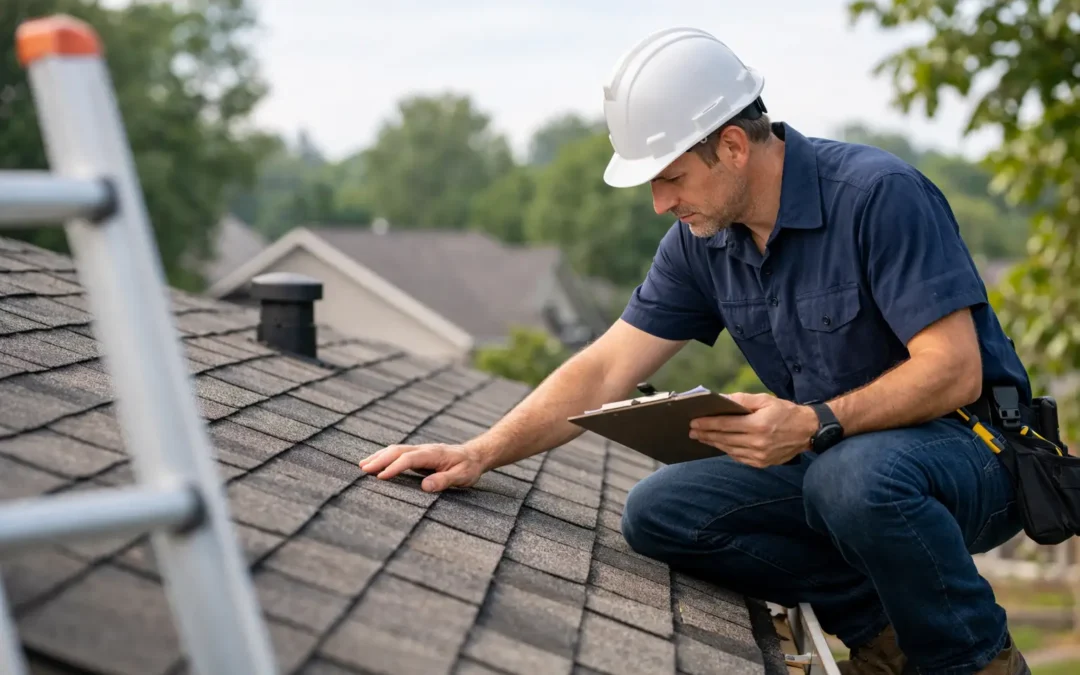
For most residential roofs, schedule a professional inspection once in the spring and once in the fall. Spring inspections reveal what winter left behind, including lifted shingles, damaged flashing, ice-dam wear, and gutter problems. Fall inspections help prepare the home for snow, wind, and freezing temperatures by identifying issues that should be repaired before winter weather arrives.
Commercial properties should generally follow the same twice-yearly schedule, although flat or low-slope roofing systems often need closer monitoring. Standing water, membrane seams, roof drains, and rooftop equipment can create risks that are less visible from the ground. A building with frequent foot traffic, multiple HVAC units, or an older roof may benefit from quarterly visual checks and professional inspections at least twice a year.
There are exceptions. A newer roof installed correctly with quality materials may not require repair work at every inspection, but it still deserves routine evaluation. An older roof, a roof with a history of leaks, or one surrounded by mature trees should be checked more often. Preventive inspections are not about finding problems where none exist. They are about protecting the investment before a small defect has time to spread.
Inspect After Storms, Not Just on a Calendar
A calendar-based inspection is a strong baseline, but weather should change the schedule. Call for a roof inspection after a major windstorm, hail event, heavy snowfall, or a tree impact. Even if shingles remain on the roof, high winds can loosen their seals, bend flashing, or expose vulnerable edges. Hail can bruise shingles in ways that are difficult to identify from the ground.
You should also arrange an inspection after an ice dam forms along the eaves. Ice dams can force melting water beneath shingles and into the roof deck. Removing the visible ice does not always resolve the underlying issue. A professional can assess whether the roof, attic ventilation, insulation, or gutters contributed to the problem.
After a storm, avoid climbing onto the roof yourself. Wet shingles, hidden damage, and unstable branches create real safety hazards. Take photos from the ground if you can do so safely, note any water spots or debris, and have a qualified roofing professional assess the roof.
Signs You Should Not Wait for Your Next Inspection
Twice-yearly service is smart, but certain warning signs call for a faster response. A roof leak rarely improves on its own, and waiting can turn a manageable repair into a larger restoration project.
Pay attention to water stains on ceilings or walls, dripping in the attic, missing or curled shingles, shingle granules collecting near downspouts, sagging roof areas, damaged chimney flashing, and gutters pulling away from the fascia. Peeling exterior paint near the roofline may also point to moisture problems. On a commercial roof, look for ponding water that remains more than 48 hours after rain, bubbling surfaces, cracked seams, or blocked roof drains.
A sudden increase in heating or cooling costs can also be worth investigating. It does not automatically mean the roof is failing, but damaged ventilation components, attic moisture, or insulation issues may be contributing. The sooner these conditions are evaluated, the more options you are likely to have.
What a Professional Roof Inspection Should Cover
A thorough inspection is more than a quick look at the shingles. The roof is a complete system, and every component must work together to keep water out and move it safely away from the building.
A roofing professional should examine the condition of shingles or roofing membranes, ridge caps, valleys, flashing around chimneys and vents, skylights, pipe boots, roof edges, and penetrations. They should also evaluate gutters, downspouts, fascia, soffits, and drainage paths. Where access allows, the attic should be checked for moisture, daylight penetration, ventilation concerns, mold-like growth, and insulation conditions.
The inspection should end with a clear explanation of what was found. Homeowners deserve to know whether a condition needs immediate repair, should be monitored, or is simply normal aging. Clear photos and straightforward recommendations make it easier to make a confident decision without pressure.
Why Gutters Belong in Every Roof Inspection
Gutters are often treated as a separate maintenance item, but they play a major role in roof protection. When gutters clog with leaves, shingle granules, or debris, water can back up at the roof edge. In winter, that standing water can freeze and contribute to ice dams. In warmer months, overflow can damage fascia boards, siding, landscaping, and foundations.
Have gutters cleaned at least twice each year, usually in late spring and after the fall leaf drop. Homes beneath heavy tree cover may need more frequent cleaning. During a roof inspection, check that gutters are securely fastened, pitched correctly, free of leaks, and directing water far enough away from the foundation.
Roof Age Changes the Inspection Schedule
The age of your roof matters as much as the season. A roof in the early years of its service life may only need routine preventive inspections. Once it reaches the latter portion of its expected lifespan, inspections become more valuable because materials naturally become less flexible and more vulnerable to wind, temperature changes, and water intrusion.
Asphalt shingle roofs often show aging through granule loss, cracking, curling, and worn seals around penetrations. Metal roofs may require attention at fasteners, seams, and flashing details. Flat roofs can develop seam failures, surface cracks, drainage issues, or areas where the membrane has deteriorated.
Do not rely on age alone to decide whether replacement is necessary. A well-maintained roof may have useful life remaining, while a younger roof with poor drainage or storm damage may need significant work. An inspection gives you a condition-based recommendation rather than a guess based on the installation date.
A Simple Maintenance Routine Between Inspections
Property owners can support the life of a roof without taking unnecessary risks. From the ground, look for loose shingles, visible debris, damaged gutters, and branches touching the roof. Check the attic after heavy rain for new water stains, damp insulation, or musty odors. Keep tree limbs trimmed back so they do not scrape roofing materials or fall during a storm.
Do not use a pressure washer on shingles, and avoid applying coatings or sealants without professional guidance. Those shortcuts can damage roofing materials, interfere with drainage, or hide a problem that still needs repair. Regular maintenance should protect the roof, not create another issue.
For homeowners and commercial property owners, the best schedule is simple: inspect twice a year, inspect after serious weather, and act promptly when signs of damage appear. CPG Roofing & Siding can help you get a clear picture of your roof’s condition, explain practical repair or replacement options, and keep the next small issue from becoming the next major disruption.