If you are planning a roofing project, one of the first questions you will ask is how long does roof installation take. That is a fair question, because a roof replacement affects your schedule, your budget, and your peace of mind. Most residential roof installations take one to three days, but that timeline can stretch or shrink depending on the size of the roof, the material, the weather, and what the crew finds once the old roof comes off.
The short answer is helpful, but it is not the whole story. A simple asphalt shingle roof on a smaller home may be finished in a single day with the right crew and clear weather. A larger home with steep slopes, multiple layers to remove, damaged decking, or specialty materials may take several days. For commercial properties, the timeline can be longer because the roof system is often larger and more complex.
How long does roof installation take on most homes?
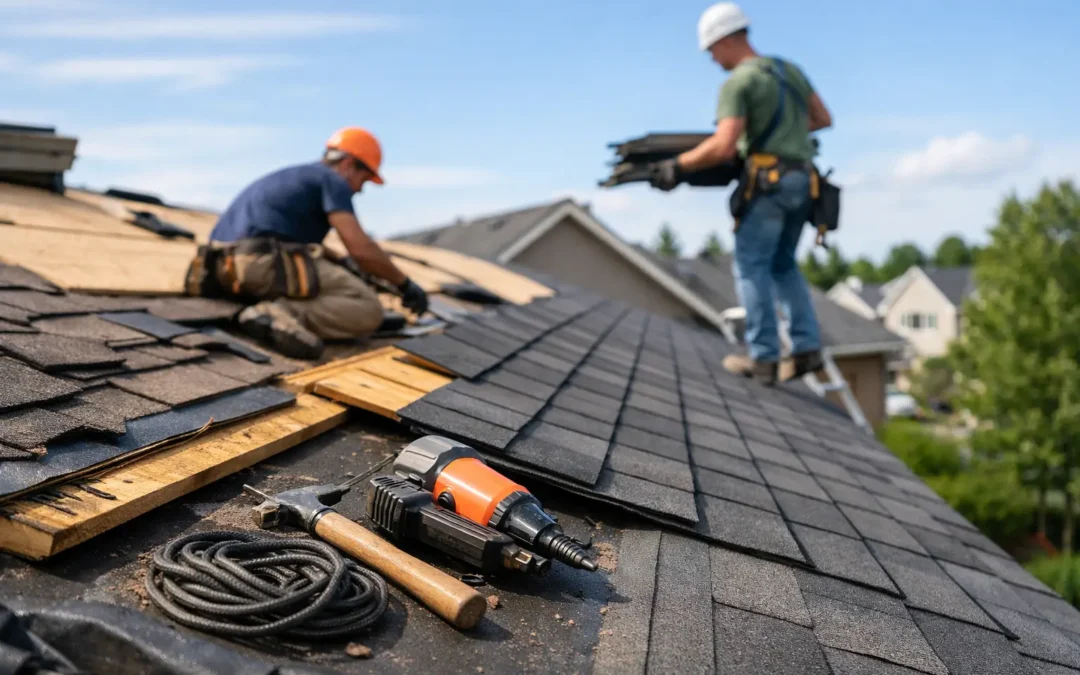
For most homes, roof installation lands somewhere between one and three days of active work. That usually includes tear-off, inspection of the decking, underlayment, flashing work, installation of the roofing material, cleanup, and a final check.
A straightforward asphalt shingle replacement is usually the fastest. These systems are common, the materials are widely available, and experienced crews can move efficiently. If the home is average in size and the roof is not unusually steep or cut up with valleys, dormers, chimneys, and skylights, the project may be completed in a day or two.
Metal, tile, slate, and other specialty systems usually take longer. Some of that extra time comes from the installation method itself. Some comes from the added care needed to protect the home and deliver a longer-lasting result.
What affects the roof installation timeline?
The biggest factor is the size and shape of the roof. A larger roof simply takes longer to remove, prep, and install. A roof with many penetrations and transitions also takes more labor because every valley, chimney, vent, and wall intersection needs detailed flashing work.
Pitch matters too. A steep roof is slower and more demanding to work on safely. Crews may need additional safety setup, and the pace of installation can change significantly compared to a lower-slope roof.
Roofing material also changes the schedule. Asphalt shingles are generally the quickest to install. Metal panels, standing seam systems, cedar shakes, and tile roofs require different techniques and more precision. That added labor often means more time on site.
Then there is tear-off. If the old roof has multiple layers, removal will take longer and create more debris. Once the roof is opened up, the crew may find damaged sheathing, soft spots, hidden leaks, or ventilation issues that need to be corrected before the new system goes on. Those repairs are not delays for the sake of delay. They are the kind of fixes that protect the investment and help prevent future leaks.
Weather can change everything
In New York, weather is often the biggest wildcard. Rain, high winds, snow, ice, and extreme cold can pause a project or shift the schedule before work even begins. Roofing materials need to be installed under the right conditions to perform the way they should.
That does not mean every cloudy day stops the job. It means a professional contractor will make judgment calls that protect the house and the crew. Sometimes that means adjusting the schedule by a day rather than pushing through and risking water intrusion or a poor install.
Permits and inspections may add time before work starts
Homeowners often think only about the days crews are on the roof, but some of the timeline happens before installation day. Depending on the town, permit approval and required inspections can affect the schedule. Material ordering can as well, especially for specialty colors or products.
This is one reason organized contractors stand out. Clear communication before the project starts helps avoid surprises once the dumpster arrives and the crew gets to work.
A realistic day-by-day view of roof installation
On day one, the crew often begins with site protection and tear-off. Landscaping, siding, windows, and driveways should be protected before debris starts coming down. Once the old roofing is removed, the decking is inspected. If repairs are needed, those are usually handled before underlayment and water protection products are installed.
On day two, the crew may focus on the main roofing material, along with flashing details around chimneys, vents, skylights, valleys, and roof edges. Depending on the size and complexity of the home, this may also be the day the roof is completed.
If the project runs into a third day, it is often because the roof is large, steep, highly detailed, or built with a material that takes longer to install. Cleanup and final inspection are part of the process too. A good roofing job is not finished when the last shingle goes on. It is finished when the property is cleaned up properly and the work has been checked carefully.
How long does roof installation take if there is damage underneath?
This is where estimates can shift. If the decking under the old roof is solid, the project can stay on a tighter timeline. If the crew finds rotted plywood, water-damaged boards, mold concerns, or framing issues, repairs need to happen first.
That can add several hours or even an extra day or more, depending on the extent of the damage. It can be frustrating to hear that the schedule has changed, but skipping those repairs would leave the new roof sitting on a weak foundation. That is not a shortcut worth taking.
A trustworthy contractor explains this upfront. The goal is not just speed. The goal is a roof system that protects the home the way it should.
Residential vs. commercial roof installation timelines
Residential roof projects are usually more predictable. Most homes have sloped roof systems and common materials that experienced crews install every day. Even then, complexity varies a lot from one house to the next.
Commercial roofing tends to take longer because the roof area is often larger and the systems themselves can be more specialized. Flat or low-slope membranes, insulation layers, drainage details, rooftop equipment, and occupancy concerns all add complexity. A small commercial project may move quickly, while a large building can take much longer.
If you own a rental property, office, retail space, or mixed-use building, the best timeline is the one built around your specific property, access requirements, and business needs.
How to keep your roof installation on schedule
The best way to avoid unnecessary delays is to choose a contractor who is organized from the beginning. That means a clear estimate, realistic scheduling, proper material planning, and a crew that shows up ready to work.
Communication matters just as much. Homeowners should know what day work is expected to begin, what could change the timeline, and how updates will be handled if weather or hidden damage becomes an issue. That kind of communication reduces stress because you are not left guessing.
It also helps to prepare the property. Move vehicles out of the driveway, secure fragile items inside the home if vibrations are a concern, and make sure the crew has clear access to the work area. Small steps like these can help the project move more efficiently.
Fast is good, but only if the work is done right
Many homeowners want the roof finished as quickly as possible, and that makes sense. Roofing work is noisy, disruptive, and tied closely to weather concerns. But the fastest bid is not always the best bid.
A roof installed too quickly without proper flashing, ventilation checks, or cleanup can create bigger problems later. The right contractor balances speed with workmanship. That means protecting the property, following the correct installation steps, and making sure the final result is built to last.
That is especially important in regions where roofs deal with heavy rain, snow, ice, and wind. A rushed install may not show its weaknesses immediately, but harsh weather usually finds them.
What should you expect from your contractor?
You should expect a direct answer, not a vague one. A reliable roofing company should be able to give you a projected timeframe based on your roof size, material, slope, and current condition. They should also explain what could extend that timeline and how those issues would be handled.
You should also expect protection for your property, consistent communication, and thorough cleanup. Professionalism is not just about installing shingles. It is about managing the entire job from estimate through completion in a way that protects your home and respects your time.
If you are comparing quotes, pay attention to how each contractor talks about timing. Anyone can promise one day. The better question is whether they can explain how they will deliver quality work without cutting corners.
For most homeowners, the answer to how long does roof installation take is simple: usually one to three days, with some projects taking longer based on complexity, repairs, and weather. The more useful answer is this – the right timeline is the one that gets your roof installed safely, correctly, and with no shortcuts that come back to cost you later.