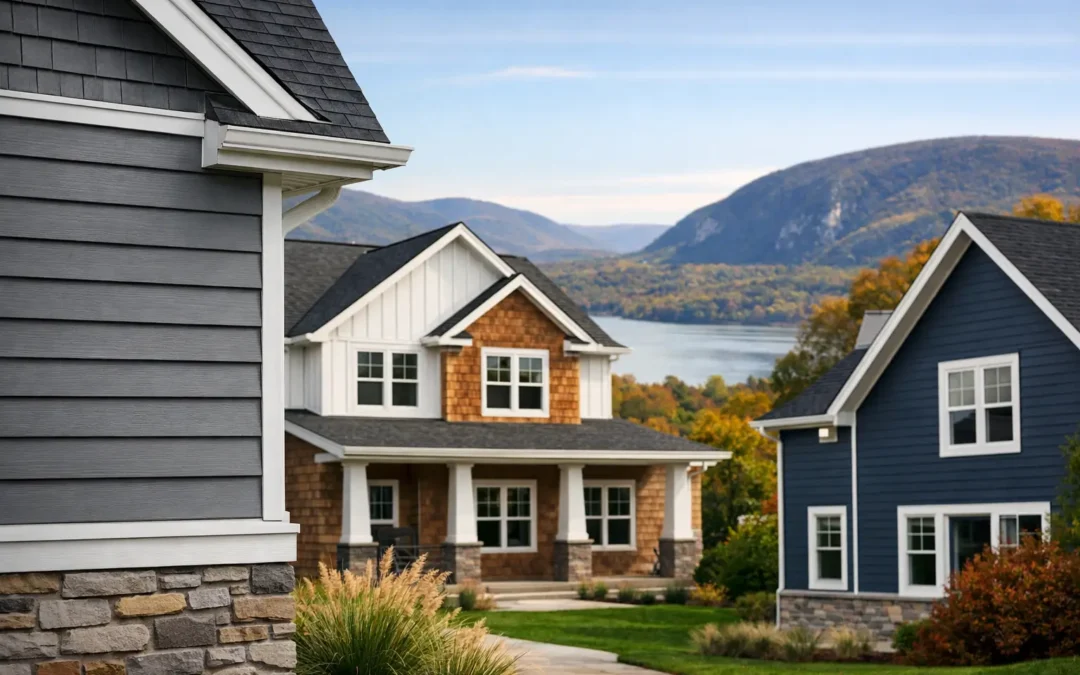
A siding decision in the Hudson Valley has to hold up to more than curb appeal. Your home faces freezing temperatures, wind-driven rain, summer humidity, snow buildup, and the occasional storm that tests every seam and corner. The best siding options for homes are the ones that fit your budget while providing reliable moisture protection, manageable maintenance, and a look you will still appreciate years from now.
Siding is not just a cosmetic upgrade. It is part of the exterior system that helps protect wall framing, insulation, and interior finishes from water intrusion. The right material, installed correctly with proper flashing and house wrap, can improve your home’s durability and make maintenance far less stressful.
What Makes a Siding Material Right for Your Home?
There is no single best material for every property. A starter home with a tight renovation budget has different needs than a historic house in Beacon or a larger property exposed to strong winds and heavy tree cover. The best choice depends on your priorities: upfront cost, long-term upkeep, appearance, insulation, and expected time in the home.
Before comparing colors and profiles, look at the condition of the walls beneath the existing siding. Soft spots, peeling trim, recurring leaks, or warped panels may point to moisture damage that needs repair first. Installing new siding over an unresolved water problem can hide it temporarily, but it will not protect the structure.
Local weather matters as well. Materials need room to expand and contract through seasonal temperature swings. They also need dependable installation details around windows, doors, rooflines, and gutters, where water is most likely to find a path behind the siding.
Best Siding Options for Homes: A Practical Comparison
Vinyl siding: the value-focused choice
Vinyl siding remains one of the most common choices for homeowners because it offers a clean appearance, low routine maintenance, and a lower installed cost than many alternatives. It does not need painting, resists insects, and is available in many colors, textures, and panel widths. Insulated vinyl siding can also provide a modest boost to wall performance while creating a more solid appearance.
The trade-off is that standard vinyl can crack under a hard impact in very cold weather, and lower-grade products may fade or look thin over time. It also needs correct fastening. Panels must be able to move with temperature changes, so driving nails too tightly can cause buckling. Vinyl is an excellent fit when budget, easy upkeep, and dependable weather resistance are the main priorities.
Fiber cement: durable and highly versatile
Fiber cement siding is a strong option for homeowners who want the look of painted wood without wood’s higher maintenance demands. It can be manufactured to resemble lap siding, shingles, vertical panels, and trim boards. It is noncombustible, resists rot and insects, and stands up well to changing weather conditions when installed and maintained properly.
Its biggest consideration is cost. Fiber cement is heavier and more labor-intensive to install than vinyl, so installation quality has a major effect on the final price and performance. Cut edges, joints, and painted surfaces need ongoing attention, and repainting will eventually be part of the ownership plan. For a homeowner who values a premium, traditional look and plans to stay in the property, fiber cement often offers an appealing balance of strength and curb appeal.
Engineered wood: warmth with added protection
Engineered wood siding gives homeowners the dimensional character of real wood in a product designed for better resistance to moisture, fungal decay, and insects. It is available in lap boards, panel siding, shakes, and trim styles, making it especially useful when a home needs a warmer, more detailed exterior than standard vinyl provides.
Compared with fiber cement, engineered wood is generally lighter and easier to cut and install. It still requires a careful moisture-management plan, especially at ground level, roof intersections, and around trim. Factory finishes can help reduce early maintenance, but any damaged finish should be addressed promptly. This material works well for homeowners who want a wood-forward appearance without committing to traditional wood siding’s full maintenance cycle.
Natural wood: unmatched character, higher commitment
Cedar shakes, clapboards, and other real wood siding products offer a look that manufactured materials cannot fully duplicate. Wood can be painted or stained in almost any color, and it can be the right choice for period homes, custom builds, and properties where architectural character is the top priority.
That character comes with responsibility. Wood needs regular inspection, painting or staining, and prompt repairs when moisture damage appears. In shaded areas or locations with limited airflow, mildew and rot can become ongoing concerns. Wood siding can serve a home beautifully, but it is best for owners who are prepared to protect the finish and maintain it consistently.
Metal siding: clean lines and long service life
Metal siding, including steel and aluminum options, is gaining attention for modern homes, barns, garages, and contemporary additions. It is durable, insect-resistant, and available in vertical and horizontal profiles. Properly finished metal can hold its color well and requires relatively little maintenance.
Not every metal product performs the same way. Aluminum may dent more easily, while steel needs protective coatings and properly treated cut edges to prevent corrosion. Installation details matter because metal can be noisy during heavy rain if the wall assembly is not designed well. For a modern style or a low-maintenance outbuilding, metal can be a smart and distinctive choice.
Do Not Overlook Trim, Insulation, and Water Management
The visible siding panel is only one part of the job. Quality trim creates a finished appearance around windows, doors, corners, and rooflines, but it also helps manage water. Flashing, weather-resistant barriers, kickout flashing where roofs meet walls, and correctly installed gutters all work together to keep moisture moving away from the home.
If you are replacing siding, it is also a good time to assess insulation. Insulated sheathing or targeted air-sealing improvements may help make rooms more comfortable, particularly in older homes with drafty exterior walls. The best approach depends on the existing wall assembly, not a one-size-fits-all sales pitch.
Color deserves practical consideration, too. Dark colors can create a dramatic look, but they may absorb more heat and show fading or surface movement more readily on certain materials. A qualified contractor can help you choose a color and product combination approved for the exposure and profile you want.
How to Choose Without Regretting the Decision
Start by deciding what matters most over the next 10 to 20 years. If keeping upfront costs controlled is essential, quality vinyl may be the most sensible answer. If you want a painted, high-end appearance with excellent durability, fiber cement may justify the investment. If real wood character is nonnegotiable, build regular maintenance into the budget from day one.
Then evaluate the installer as carefully as the product. Ask how damaged sheathing is handled, what weather barrier and flashing details are included, how trim is installed, and who will be responsible for cleanup. A clear written scope should identify the siding product, trim, accessories, repair allowances, warranty information, and payment schedule.
For Hudson Valley homeowners, a detailed exterior inspection can reveal whether siding replacement should be coordinated with roof repairs, new gutters, or window work. Addressing connected exterior issues together can prevent water from being redirected into a newly finished wall.
A siding project should leave your home better protected, not just better photographed. Choose a material that matches your maintenance comfort level, invest in proper installation, and make sure the contractor treats every opening and transition as seriously as the siding itself. When you are ready to evaluate your exterior, CPG Roofing & Siding can help you make a clear, informed decision built around your home and its conditions.