A roof replacement is not the time to choose the lowest price without asking what you are getting. In this architectural shingles review, we look at why these dimensional asphalt shingles have become the standard choice for many Hudson Valley homeowners, where they perform well, and when another roofing material may make more sense.
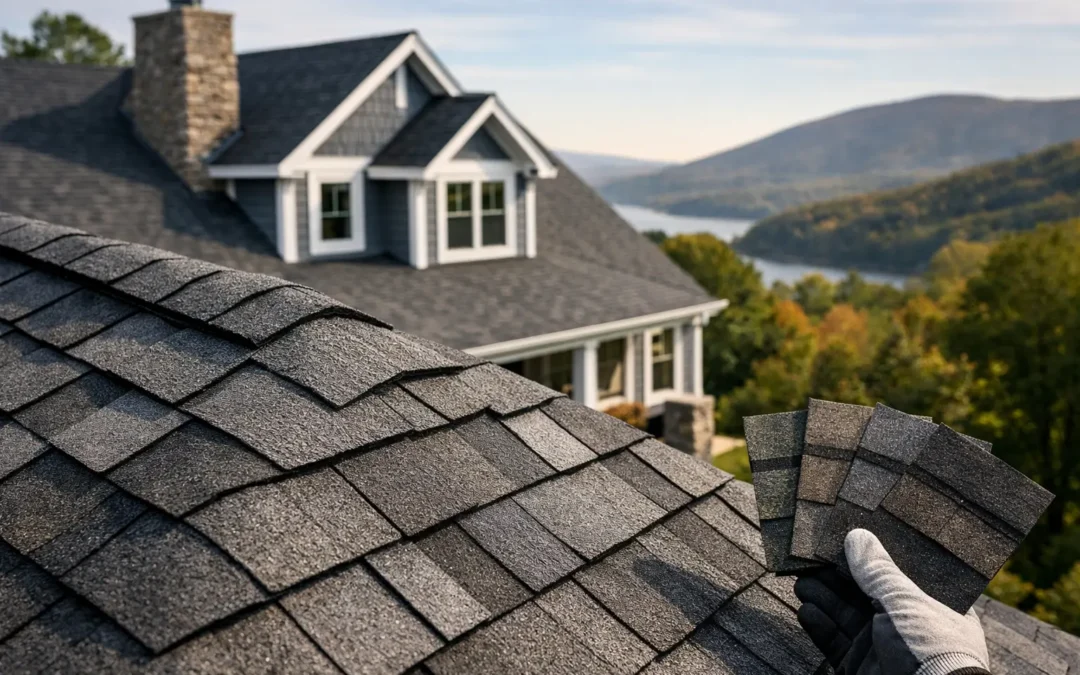
Architectural shingles are designed to provide more depth, strength, and visual character than basic three-tab shingles. They are still asphalt shingles, but their layered construction creates a thicker profile that can resemble wood shake or slate from the ground. For homes facing heavy rain, high winds, snow loads, freeze-thaw cycles, and summer heat, that added construction can be a meaningful upgrade.
Architectural Shingles Review: What You Are Buying
Architectural shingles are also called dimensional or laminated shingles. Unlike three-tab shingles, which have a flat and uniform appearance, architectural shingles are built with multiple bonded layers of asphalt-coated material. The result is a roof with more texture, shadow lines, and a less repetitive pattern.
The difference is not only cosmetic. The heavier construction generally improves resistance to wind uplift and everyday wear. Many products are rated for higher winds than entry-level shingles when installed with the complete manufacturer-approved roofing system. That system may include specific underlayment, starter shingles, ridge caps, ventilation, and fasteners.
This is an important distinction for property owners. A high-quality shingle can still underperform if the decking is damaged, the flashing is poorly installed, the attic lacks ventilation, or the installer cuts corners on the components below and around the shingles. Roofing is a system, not just a color selection.
The Main Advantages for Local Homes
For most residential roof replacements in Orange, Dutchess, Ulster, and Sullivan counties, architectural shingles offer a practical balance of protection, appearance, and cost. They are more substantial than basic shingles without reaching the price of standing seam metal, slate, or cedar.
Better curb appeal without a specialty-roof price
A dimensional shingle roof gives a home more visual depth. This matters when your roof is highly visible from the street or when you are preparing to sell. Color blends can complement brick, stone, siding, and trim more naturally than the flatter look of a three-tab roof.
There are trade-offs. Very dark shingles can make a roof appear more dramatic, but they may also absorb more heat and show pollen, dust, or fading differently over time. Lighter and blended colors can work especially well on traditional Hudson Valley homes, though the best choice depends on the home’s siding, exposure, and architectural style.
Stronger performance in wind and weather
Architectural shingles are commonly available with higher wind ratings than three-tab products. That extra resistance is valuable during severe storms, especially on exposed properties, hilltops, and homes with complex rooflines.
Still, wind ratings are not a promise that no shingle will ever lift in an extreme event. Proper nail placement, sealed tabs, adequate starter courses, and correct flashing at chimneys, walls, valleys, and vents all affect storm performance. A detailed installation protects your home far more effectively than a label alone.
A longer expected service life
Many homeowners choose architectural shingles because they often last longer than entry-level asphalt shingles under normal conditions. Actual lifespan varies widely. A properly installed roof with balanced attic ventilation may provide decades of service, while a roof exposed to persistent moisture, poor ventilation, overhanging branches, or ice damming may age much faster.
Manufacturer warranties are useful, but they should be read carefully. A warranty does not replace workmanship, maintenance, or prompt repair after storm damage. It also may have different coverage terms for materials, wind events, algae resistance, and labor.
What Architectural Shingles Cost
Architectural shingles typically cost more than three-tab shingles, both for materials and, in some cases, installation. The full roof price depends on more than shingle choice. Roof pitch, number of valleys, chimney flashing, skylights, decking repairs, access, tear-off layers, ventilation upgrades, and disposal all influence the estimate.
For a straightforward roof, the premium over a basic shingle is often reasonable considering the thicker appearance and potential durability benefits. On a large or complicated roof, material upgrades can add up quickly. That is why a clear, itemized estimate matters. It should explain what will be removed, what materials will be installed, how problem decking is handled, and whether flashing and ventilation improvements are included.
Be cautious when one proposal is dramatically lower than the others. It may omit required components, use a lower-grade shingle line, exclude wood replacement, or leave out cleanup and permit-related costs. The lowest bid can become expensive if the work has to be corrected later.
Where Architectural Shingles Fall Short
A fair architectural shingles review should be clear about limitations. These shingles are durable asphalt products, but they are not metal, slate, or tile. They can be damaged by major hail, falling limbs, severe wind-driven debris, and improper foot traffic. They also will not solve a moisture problem caused by poor attic ventilation or inadequate insulation.
Moss, algae streaking, and granule loss are other concerns homeowners may see over time. Some shingle lines include algae-resistant technology, but shade, tree cover, and moisture can still affect roof appearance. Avoid aggressive pressure washing, which can strip protective granules and shorten roof life. A professional inspection is a safer first step when staining or growth appears.
If your property is in a heavily wooded area with frequent branch impact, or if you want the longest possible lifespan and are prepared for a higher upfront investment, metal roofing may deserve consideration. If historic authenticity is the priority, slate or synthetic slate may also be worth evaluating. The right answer depends on your budget, roof structure, long-term plans, and maintenance expectations.
Installation Details That Matter More Than Homeowners Expect
Even premium architectural shingles need a solid foundation. Before installation begins, the contractor should inspect the roof deck for rot, soft spots, and water damage. Covering compromised wood can lead to uneven shingles, future leaks, and avoidable repairs.
Ice and water protection deserves special attention in the Hudson Valley. It is commonly used along eaves, valleys, penetrations, and other vulnerable areas where water backup can occur. Proper drip edge, flashing, and valley construction are equally important. These details help direct water away from the roof assembly instead of giving it a path behind the shingles.
Ventilation is another major factor. A trapped, overheated attic can bake shingles from below in summer and contribute to condensation in colder months. Balanced intake and exhaust ventilation help manage heat and moisture, protect the roof system, and support more consistent indoor comfort.
A professional crew should also protect landscaping, manage debris, use magnetic cleanup for nails, and leave the property orderly. A roof replacement is a major project, but it should not leave your driveway, lawn, or gutters full of discarded material.
How to Compare Architectural Shingle Options
Do not compare shingles by color and warranty length alone. Ask which product line is being proposed and what complete system components are included. Confirm the wind rating, algae-resistance features, available warranty coverage, and whether the contractor is certified by the manufacturer.
It also helps to ask how the roof will address your home’s specific weak points. A low-slope rear addition, aging chimney flashing, inadequate ridge ventilation, ice-dam history, or a complex valley layout may matter more than choosing between two similar shingle colors.
For many homes, a mid- to premium-grade architectural shingle installed by an experienced, certified contractor is the strongest value. It gives homeowners dependable protection and an attractive finished appearance without moving into the much higher cost category of specialty materials.
Is an Architectural Shingle Roof Right for You?
Architectural shingles are a strong fit if you want a roof that looks better than basic asphalt, performs well in changing weather, and stays within a realistic replacement budget. They are especially practical for homeowners who plan to remain in the home for years or want to improve curb appeal before selling.
The best decision starts with a roof inspection, not a guess from the driveway. CPG Roofing & Siding can assess the shingles, decking, flashing, ventilation, and drainage around your home, then explain the options clearly. If your roof is aging, leaking, or showing storm damage, addressing it early can protect far more than the shingles above your head.