A siding quote can look simple until you realize the material choice affects everything that follows – cost, maintenance, storm performance, repainting, and how your home looks ten years from now. If you are weighing vinyl siding vs fiber cement, the right answer usually comes down to your budget, your priorities, and how long you plan to stay in the property.
For many homeowners, this is not really a debate about which product is “better” in a vacuum. It is a question of which product gives you the best protection and value for your specific home. In the Hudson Valley, where siding has to stand up to moisture, freeze-thaw cycles, wind, and the normal wear of four true seasons, that difference matters.
Vinyl siding vs fiber cement: the core difference
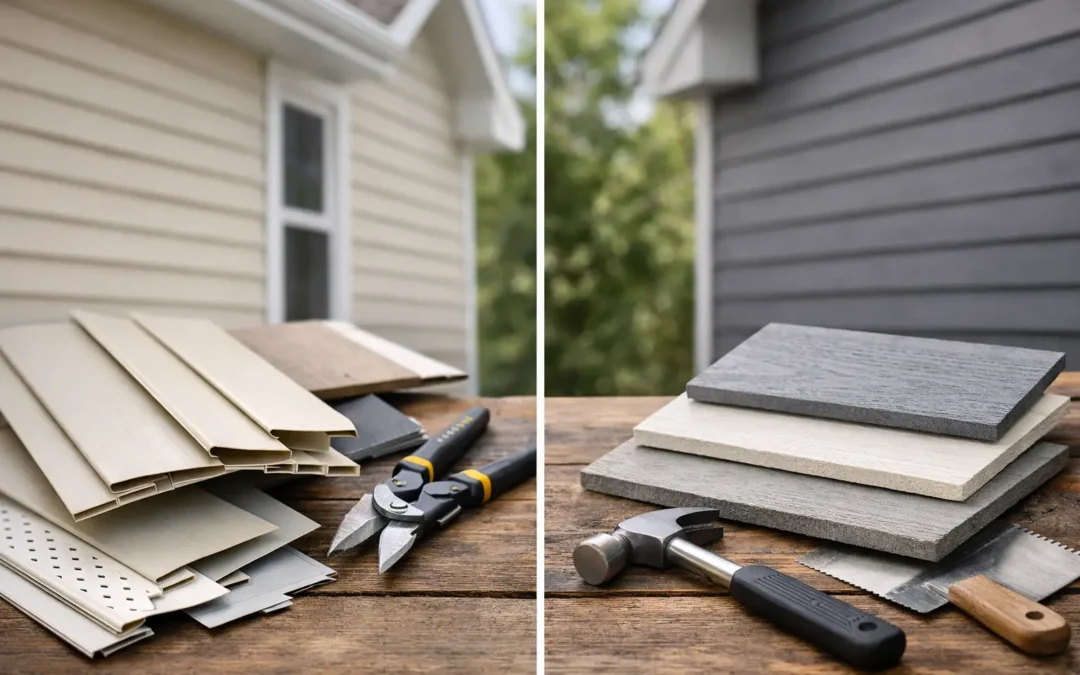
Vinyl siding is a plastic-based exterior cladding designed to shed water, resist rot, and keep maintenance relatively low. It is lightweight, widely available, and usually the more budget-friendly option upfront.
Fiber cement is a manufactured product made from cement, sand, and cellulose fibers. It is heavier, more rigid, and generally more expensive to install, but it is also known for its strength, dimensional stability, and ability to mimic the look of real wood more convincingly.
That basic contrast drives almost every other comparison. Vinyl is often chosen for affordability and simplicity. Fiber cement is often chosen for durability, appearance, and long-term performance.
Cost: where most decisions start
If budget is the biggest factor, vinyl usually wins the first round.
Vinyl siding typically costs less for both material and labor. Because it is lighter and faster to install, labor costs are generally lower. That can make a major difference on a full-home exterior project, especially if you are also budgeting for trim, gutters, soffits, or roof work at the same time.
Fiber cement usually carries a higher price tag. The boards are heavier, installation is more labor-intensive, and the work requires more precision. It also often involves painting, either at installation or later in its lifecycle, which adds to the total ownership cost.
That said, lowest upfront cost is not always lowest long-term cost. If you plan to stay in your home for many years, and you want a material with a premium look and strong durability, fiber cement can still make financial sense. The better question is not just “What does it cost today?” but “What will I spend over the next 10 to 20 years?”
Durability in real-world weather
This is where the conversation gets more nuanced.
Vinyl siding handles moisture well because it does not absorb water and it will not rot. That is a major advantage. But it can crack under impact in very cold temperatures, and lower-grade products may fade, warp, or loosen over time if installation is poor or exposure is harsh.
Fiber cement is highly durable and performs well against moisture, pests, and temperature swings. It does not rot like wood, and it is less likely than vinyl to move or deform from heat. It also tends to hold up well in areas where homeowners want a tougher exterior skin.
Still, fiber cement is not indestructible. If caulking joints are neglected or paint systems fail, moisture issues can still develop over time. A strong product still depends on strong installation and proper maintenance.
For homes exposed to driving rain, snow, and seasonal temperature shifts, both materials can perform well when installed correctly. The installer matters almost as much as the product.
Appearance and curb appeal
If aesthetics are high on your list, fiber cement usually has the edge.
It offers a more solid, wood-like look and often delivers sharper lines and deeper texture. For homeowners who want a high-end appearance without the vulnerability of traditional wood siding, fiber cement is a strong option. It also tends to appeal to buyers who are looking for a more premium exterior finish.
Vinyl has improved significantly over the years. Better product lines offer more attractive textures, wider color options, and profiles that look much better than older generations of vinyl. But even high-quality vinyl can still look lighter and less substantial than fiber cement when viewed up close.
That does not mean vinyl looks cheap by default. On many homes, especially when paired with quality trim and clean installation, it can look excellent. It just has a different visual feel.
Maintenance: what you will actually deal with
Many homeowners choose vinyl because they want less to worry about.
Vinyl siding does not need painting, and routine maintenance is usually limited to occasional washing and visual checks after storms. If your main goal is to avoid frequent upkeep, that is a real advantage.
Fiber cement requires more attention over time. It can hold paint very well, but it is still a paint-dependent system. At some point, repainting becomes part of ownership. Caulked joints and trim details also need periodic review. That does not make it high-maintenance compared to wood, but it is typically more involved than vinyl.
If you own rental property, manage multiple buildings, or simply do not want repainting on your future to-do list, vinyl may be the easier fit.
Fire and pest resistance
Fiber cement has a clear advantage here.
Because it is non-combustible, fiber cement offers better fire resistance than vinyl. It is also not vulnerable to insect damage in the way wood can be. For some property owners, especially those prioritizing resilience and insurance-related concerns, this is a meaningful benefit.
Vinyl is not a food source for insects and it does not rot, but it can melt or deform under extreme heat. In most day-to-day residential situations, that may not be the deciding factor, but it is part of the bigger performance picture.
Installation quality matters more than most people think
Homeowners often compare products and overlook the bigger risk: poor installation.
Vinyl must be installed with room to expand and contract. If it is nailed too tightly or handled carelessly around trim and corners, it can buckle, ripple, or come loose. A bad install can make even a good product fail early.
Fiber cement requires skilled handling, proper fastening, correct clearances, and careful moisture management details. Because the material is heavier and less forgiving, mistakes can be costly. Flashing, joint treatment, trim integration, and paint prep all matter.
That is why siding decisions should never be based on material alone. You want a contractor who understands the local climate, explains the system clearly, and installs it with attention to detail from underlayment to cleanup.
Which siding is better for resale?
There is no universal answer, but there are patterns.
Fiber cement often supports a more upscale appearance, which can help if your neighborhood values architectural detail and premium finishes. Buyers may see it as a longer-lasting, higher-end choice.
Vinyl remains attractive for resale because buyers understand it, recognize the low-maintenance appeal, and appreciate the lower project cost. In many markets, clean and professionally installed vinyl is more than enough to support strong curb appeal.
If resale is your main concern, think about your home in context. A siding upgrade should fit the value of the property and the surrounding homes. Overspending for the neighborhood can be just as unhelpful as choosing a product that looks out of place.
When vinyl siding makes more sense
Vinyl is often the smart choice when you want dependable protection at a lower upfront cost, minimal maintenance, and a faster installation process. It works especially well for homeowners who want to improve appearance and weather resistance without committing to future painting costs.
It is also a practical option for landlords, budget-conscious families, and owners balancing multiple exterior repairs at once.
When fiber cement makes more sense
Fiber cement tends to make sense when appearance, durability, and a more substantial exterior finish are the top priorities. If you want a product that looks more like painted wood, holds its shape well, and offers strong fire resistance, it is often worth a closer look.
It can be a strong fit for long-term homeowners who are comfortable with a higher initial investment and some future maintenance.
So, how should you decide?
The best way to approach vinyl siding vs fiber cement is to get honest about your priorities. If your biggest concerns are budget, low upkeep, and reliable performance, vinyl is often the right call. If you are willing to spend more for a more premium look and a tougher material, fiber cement may be the better investment.
There is also the condition of the home itself. Older homes, moisture-prone walls, trim complexity, and insulation goals can all affect which system fits best. A good contractor should walk you through those details instead of pushing one material across the board.
At CPG Roofing & Siding, that is how we believe exterior work should be handled – clear answers, quality workmanship, and recommendations that fit the property, not just the sales pitch.
The right siding should do more than look good on install day. It should protect your home, fit your budget, and still make sense years after the crew has packed up and left.