A brown water stain spreading across the ceiling after a snowstorm is not something to watch for another day. When you need to stop ice dam roof leaks, the priority is limiting interior water damage while addressing the snow-and-ice buildup causing it. A bucket may protect the floor temporarily, but it will not protect insulation, framing, drywall, or the roof system above it.
Ice dams are common in Hudson Valley winters, especially on homes with uneven attic temperatures, aging shingles, clogged gutters, or roof areas that hold snow longer than others. The right response depends on whether water is already entering the home, how much ice has formed, and whether the roof can be accessed safely.
Why Ice Dams Cause Roof Leaks
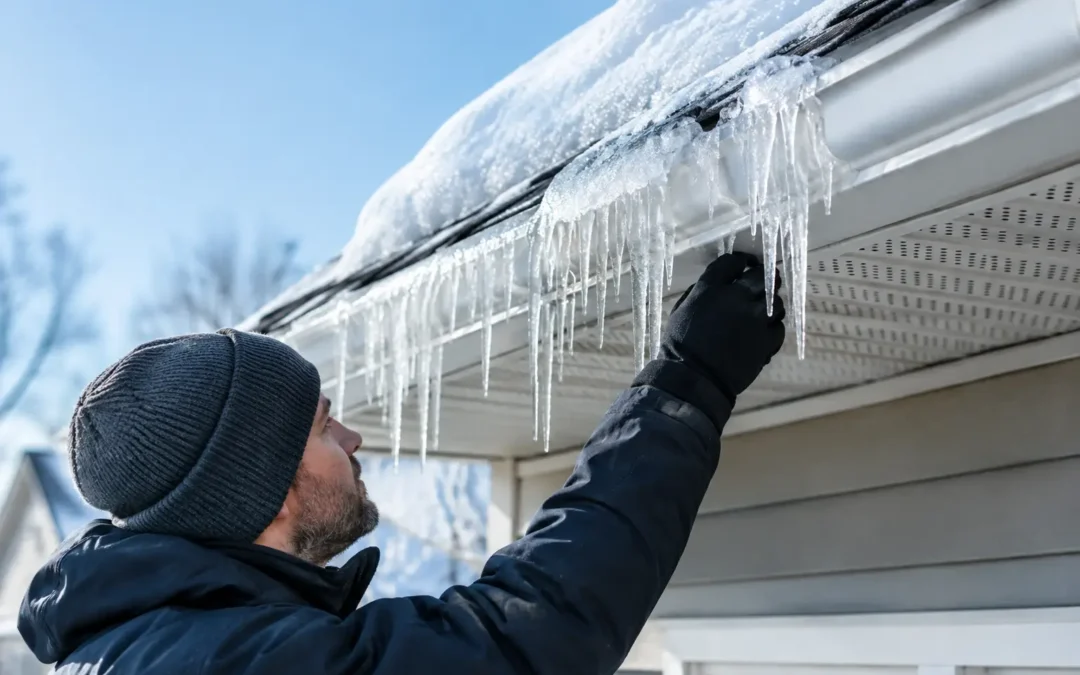
An ice dam forms when snow on the upper portion of a roof melts, runs down toward the colder eaves, and freezes again. The ice ridge that develops along the roof edge blocks later meltwater from draining into the gutters. That water then backs up beneath shingles, flashing, and other roof materials designed to shed water downhill, not hold standing water.
The root problem is usually heat escaping from the living space into the attic. Warm areas of the roof melt snow from below, while unheated overhangs remain cold enough to refreeze that runoff. Heavy snow can make the issue worse, but snow alone is not always the cause. Homes with poor attic air sealing, insufficient insulation, blocked soffit vents, or inadequate roof ventilation are more vulnerable.
Not every winter roof leak is an ice dam. Missing shingles, failed flashing, damaged pipe boots, and deteriorated valleys can also leak during snowmelt. A professional inspection matters because removing visible ice without identifying the entry point can leave the same problem waiting for the next freeze-thaw cycle.
What to Do When Water Is Already Coming In
Start inside. Move furniture, electronics, rugs, and valuables away from the leak. Place containers beneath active drips and protect nearby surfaces with towels or plastic sheeting. If a ceiling is bulging with trapped water, do not ignore it. A saturated ceiling can fail unexpectedly and create a much larger cleanup problem.
If it is safe to do so, use a fan and dehumidifier to reduce moisture in the affected room. Take clear photos of stains, drips, peeling paint, and damaged belongings before cleanup. Documentation can be useful for an insurance claim and gives a roofing professional a clearer picture of where water traveled.
Then call for help promptly. Water can move along rafters, wiring, and insulation before appearing inside, so the stain you see is not always directly below the roof opening. For active leaks, emergency roof service is the smart choice. Fast action can often prevent a localized leak from becoming a drywall, insulation, and mold remediation project.
How to Stop Ice Dam Roof Leaks Safely
The safest immediate roof-side option for many homeowners is to remove loose snow from the lower portion of the roof with a roof rake while standing on the ground. Pull snow downward in small sections, leaving a thin layer behind rather than scraping against shingles. The goal is to reduce the supply of meltwater above the ice dam, not to expose or damage the roof surface.
Do not climb onto an icy roof. Do not chip ice with an axe, shovel, hammer, or metal tool. These methods can crack shingles, damage gutters, puncture flashing, and put you at serious risk of a fall. They also tend to address the symptom while leaving the dam and the underlying heat-loss issue in place.
Avoid using rock salt or other corrosive de-icing products on a roof. They can harm roofing materials, metal components, landscaping, and pets. Some contractors use controlled steam removal because it cuts channels through ice without the mechanical damage caused by chopping. This is specialized work, especially around skylights, valleys, gutters, and low-slope areas.
If water is actively leaking, professional ice dam removal paired with a roof inspection is usually the best option. It addresses the immediate backup of water and helps determine whether shingles, underlayment, flashing, or interior materials need repair.
Be Careful With DIY Calcium Chloride Socks
You may see advice to place fabric tubes filled with calcium chloride across the ice dam to create drainage channels. This approach can sometimes reduce backup in a limited area, but it has trade-offs. Incorrect placement can stain or damage surfaces, the chemical runoff can affect plants, and the channels can refreeze in severe weather.
It is not a replacement for safe snow removal, proper drainage, or roof repair. If you cannot reach the roof edge safely from the ground, do not improvise with a ladder on snow or ice. Call a qualified roofing crew instead.
The Permanent Fix Starts in the Attic
Removing an ice dam may stop the immediate leak, but lasting prevention requires controlling the heat that reaches the roof deck. The best solution is often a combination of air sealing, insulation, and ventilation improvements. Which upgrades make sense depends on the house, attic layout, roof design, and existing materials.
Air sealing comes first in many homes. Small gaps around plumbing stacks, electrical penetrations, recessed lights, attic hatches, and interior wall tops allow warm indoor air to enter the attic. Insulation slows heat transfer, but it cannot perform as intended if warm air is bypassing it through unsealed openings.
After air leaks are addressed, insulation should be evaluated for depth, coverage, and condition. Compressed, wet, or uneven insulation can leave warm spots on the roof. Attic ventilation also needs a clear pathway. Soffit intake vents and ridge or upper-roof exhaust vents work together to keep the attic colder and drier in winter. Adding more exhaust ventilation without adequate intake, however, may not solve the problem.
Roof geometry matters too. Dormers, valleys, additions, cathedral ceilings, skylights, and north-facing slopes can create stubborn cold and warm zones. On a roof replacement, a contractor may recommend upgraded ice-and-water protection in vulnerable areas, improved flashing details, or ventilation changes designed for that specific roof structure.
Check Gutters, Downspouts, and Roof Edges
Gutters do not cause every ice dam, but clogged or poorly draining gutters can make roof-edge ice worse. Leaves, roof granules, and debris hold water near the eaves and can prevent melting snow from moving through the system. Before winter, clean the gutters, confirm downspouts discharge away from the foundation, and make sure hangers and seams are secure.
During a freeze, do not try to pull heavy ice from gutters. The weight of ice can bend metal, loosen fasteners, and damage the fascia behind the gutter. If gutters are sagging, separated, or visibly pulling away from the house, have them inspected after conditions are safe.
A roof inspection is especially worthwhile if ice dams return to the same area each winter. Repeat trouble spots often point to an attic insulation gap, a ventilation obstruction, a flashing issue, or a section of roof that needs more than seasonal maintenance.
When to Call a Roofing Professional Immediately
Do not wait for warmer weather if water is entering the home, ceiling drywall is sagging, ice has formed behind gutters, or shingles are lifting at the eaves. Call promptly if you notice water around light fixtures or outlets, as moisture near electrical components needs immediate attention.
Commercial property owners and landlords should also act quickly. A small roof leak can affect tenants, inventory, ceiling systems, and building operations long before it becomes visible from the ground. Document the issue, protect the affected area, and arrange a professional assessment.
CPG Roofing & Siding helps property owners respond to winter roof problems with clear communication, organized cleanup, and repair recommendations based on the condition of the roof, not a one-size-fits-all fix. For homes across the Hudson Valley, fast attention to an ice dam can be the difference between a manageable repair and extensive interior damage.
The next snowfall does not have to become the next ceiling stain. Protect the interior now, stay off dangerous ice, and have the roof and attic conditions evaluated before the freeze-thaw cycle gets another chance to force water where it does not belong.