
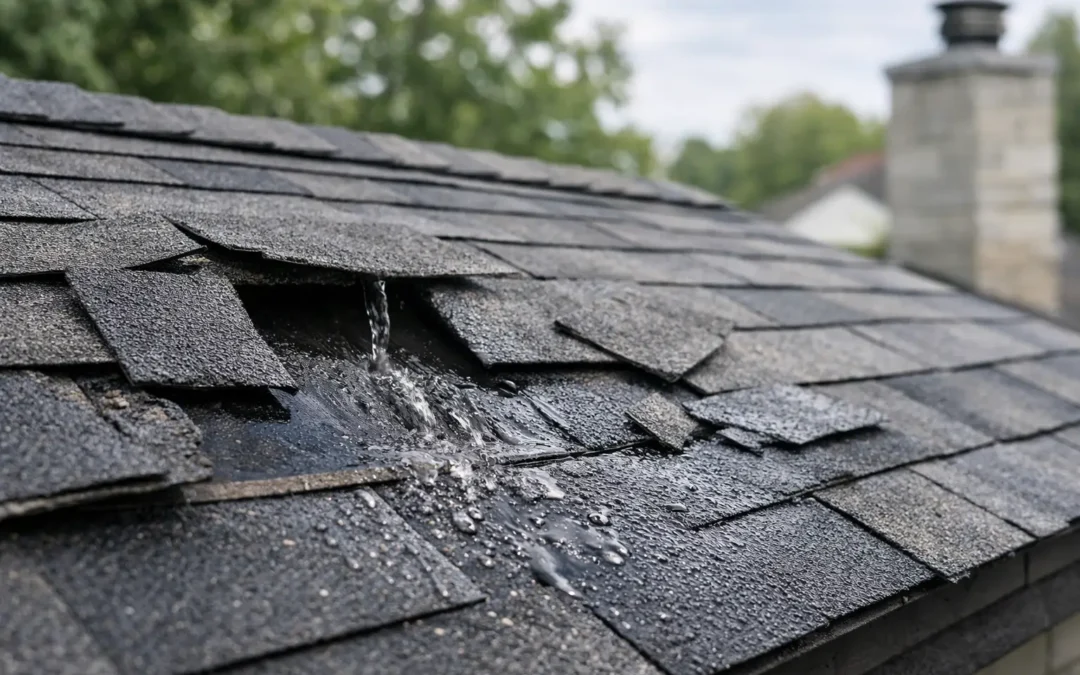
You do not need a major hole in your roof to end up with major water damage. If you have noticed bare spots after a storm, it is fair to ask: can missing shingles cause leaks? The short answer is yes. Even one missing shingle can expose the roof system to water, wind, and UV damage, and the longer it sits, the greater the chance that a small repair turns into interior damage, mold, or structural rot.
That said, not every missing shingle causes an immediate drip in the ceiling. Roof leaks depend on where the shingle is missing, how steep the roof is, what condition the underlayment is in, and whether wind-driven rain is involved. That is why fast inspection matters. What looks minor from the ground can be more serious once water starts moving under surrounding materials.
Can missing shingles cause leaks right away?
Yes, they can, but the timing varies.
Asphalt shingles are designed to work as a system. Each shingle sheds water onto the next course below it. When one goes missing, that flow is interrupted. The exposed area can allow rain to reach the underlayment, fasteners, and roof decking. If the underlayment is still in good shape, it may hold for a while. If it is older, torn, or already compromised, water can get through much faster.
Steep roofs usually drain better than low-slope sections, so a missing shingle on a steep face may not leak immediately in light rain. A missing shingle near a valley, roof edge, chimney, skylight, or flashing detail is a different story. Those areas already handle more water, and they tend to leak sooner when the surface protection is broken.
Wind matters too. A calm rain and a windy storm do not hit your roof the same way. Wind-driven rain can force water up and under nearby shingles, reaching places that would stay dry under normal conditions.
Why one missing shingle is still a problem
Homeowners sometimes wait because they do not see a stain indoors. That is understandable, but it is risky.
A missing shingle does more than expose one small patch. It can loosen the shingles around it. Once wind gets under the surrounding tabs or edges, more shingles can lift, crease, or tear off. What started as a minor repair can spread across a section of the roof after the next storm.
There is also the issue of hidden moisture. Water does not always drip straight down where the problem begins. It can travel along decking, rafters, insulation, or even wiring before it becomes visible inside. By the time you see a ceiling spot, the leak may have been active for longer than you think.
In colder parts of New York, freeze-thaw cycles make this worse. Water that enters around a missing shingle can freeze, expand, and widen the damaged area. Ice and repeated moisture exposure can shorten the life of nearby materials quickly.
What happens under the shingles
Shingles are your roof’s first line of defense, not the only one. Under them, most roofing systems include underlayment, flashing, fasteners, and wood decking. When shingles go missing, every layer underneath faces more stress.
Underlayment is meant to provide backup protection, but it is not designed to serve as the long-term finished surface. Sun exposure can degrade it. Repeated wetting can weaken it. If nails are exposed, water can follow those penetrations. Once moisture reaches the decking, wood can swell, soften, or rot.
That matters because roof leaks are not just cosmetic. Damaged decking can affect how securely future shingles fasten. Insulation can lose effectiveness when wet. Mold can develop in attic spaces. For commercial properties and multifamily buildings, even a small roof opening can lead to tenant complaints, damaged inventory, and higher repair costs.
Signs a missing shingle has already caused a leak
Sometimes the roof tells you right away. Other times the signs show up inside first.
Look for water stains on ceilings or upper walls, peeling paint, damp attic insulation, musty odors, or visible daylight in the attic. Outside, check for dark patches, curled or lifted nearby shingles, granules collecting in gutters, or flashing that looks pulled away.
You may also notice a leak only during certain storms. That does not mean the issue is minor. Intermittent leaks are common when water enters only under certain wind directions or rainfall volume.
If you own an older home or rental property, it is worth taking these signs seriously even if the ceiling looks mostly fine. A roof can be leaking into the attic long before finished rooms show damage.
Can you wait to repair missing shingles?
Usually, waiting costs more.
If the forecast is dry and the missing area is very small, you may not have an active leak today. But roofs rarely improve with time. Sun, wind, rain, and temperature swings will keep working on the exposed section. A quick repair now is almost always simpler and less expensive than waiting until the problem reaches insulation, drywall, framing, or flooring.
The exception is when the roof is near the end of its service life and missing shingles are only part of a broader pattern. If shingles are brittle, heavily worn, or coming loose in multiple areas, spot repair may only buy limited time. In that case, a contractor should tell you honestly whether repair makes sense or whether replacement is the better investment.
That kind of straight answer matters. Good roofing advice is not just about fixing today’s leak. It is about protecting the property in a way that makes financial sense.
When missing shingles point to a bigger problem
A few missing shingles after a severe storm can be a straightforward repair. Repeated shingle loss is different.
If shingles keep blowing off, the cause may be poor installation, bad attic ventilation, aging materials, failed seal strips, or storm damage across more of the roof than you can see from the ground. Sometimes the visible missing shingles are just the beginning, and the surrounding shingles are already creased or unsealed.
This is why professional inspection matters after wind events. A roof can look acceptable from the driveway and still have damage that shortens its life. In parts of the Hudson Valley where storms, snow, and ice put real pressure on roofing systems, catching those issues early can prevent a chain reaction of repairs later.
What a proper repair should include
A real repair is not just sliding a new shingle into place and hoping for the best.
The damaged section should be checked for compromised underlayment, exposed fasteners, torn neighboring shingles, flashing problems, and soft decking. Replacement shingles should be matched as closely as possible in type and color, but function matters more than perfect appearance. The repair also needs to be sealed and fastened correctly so it holds in future weather.
If interior leaking has already started, the roof repair is only part of the job. Wet insulation, stained drywall, and attic moisture may also need attention. Otherwise, you can fix the roof surface and still leave moisture damage behind.
For homeowners, this is where choosing a responsive contractor makes a difference. Fast scheduling, clear communication, clean work, and an honest explanation of whether you need a repair or larger solution are what reduce stress the most.
What to do if you notice missing shingles
Do not climb onto the roof unless you have the right safety equipment and experience. From the ground, look for obvious bare spots or pieces of shingles in the yard. If it is safe, check the attic for damp insulation, water marks, or active dripping.
Then schedule a roof inspection as soon as possible. If rain is coming, treat it with urgency. Temporary protection may help reduce immediate water entry, but temporary measures are not a substitute for proper repair.
If your roof is older or the damage happened during a storm, document what you see with photos. That can help with repair planning and, in some cases, support an insurance claim. A professional can determine whether the issue is isolated or part of a broader storm-related problem.
At CPG Roofing & Siding, this is exactly the kind of issue that should be addressed quickly – before a small exposed section becomes interior damage.
The real answer to can missing shingles cause leaks
Yes, missing shingles can absolutely cause leaks, but the bigger point is this: they create vulnerability even before you see water inside. The roof may hold for one storm, then fail on the next. It may leak only in wind-driven rain. Or it may already be soaking materials you cannot see.
If you spot missing shingles, treat it like a warning, not a cosmetic issue. A fast inspection and timely repair protect more than the roof surface. They protect the framing, insulation, ceilings, and the people living or working underneath it. When your roof starts giving signs of weakness, the safest move is to act while the fix is still simple.