A loose siding panel after a windy night rarely stays a small problem for long. Once water gets behind the exterior, you can end up dealing with sheathing damage, mold, drafts, and repairs that cost far more than the original fix. If you are looking for a beacon siding repair contractor, the real goal is not just patching visible damage – it is protecting the structure underneath and making sure the repair holds.
When siding repair is the right call
Not every siding issue means you need a full replacement. In many cases, targeted repair is the smart move, especially when the damage is limited to one elevation, a few courses, or a specific impact area. Cracks from storm debris, panels loosened by wind, warped sections from trapped moisture, and isolated gaps around trim can often be repaired without tearing off the whole exterior.
That said, repair only makes sense when the surrounding siding is still in serviceable condition. If the color has faded unevenly, the boards are brittle, or multiple sections are showing moisture problems, a contractor should be honest about the limits of a spot fix. A good repair solves the cause, not just the symptom.
For homeowners and property managers, that distinction matters. A cheap patch may look fine for a month, but if flashing, house wrap, or fastening issues were ignored, the water intrusion continues behind the wall. That is where experience shows.
What a Beacon siding repair contractor should inspect
A reliable Beacon siding repair contractor should do more than walk around the house and point at a few damaged pieces. Siding failures often start at transitions – around windows, doors, corners, roof lines, and utility penetrations. Those are the places where water finds an opening.
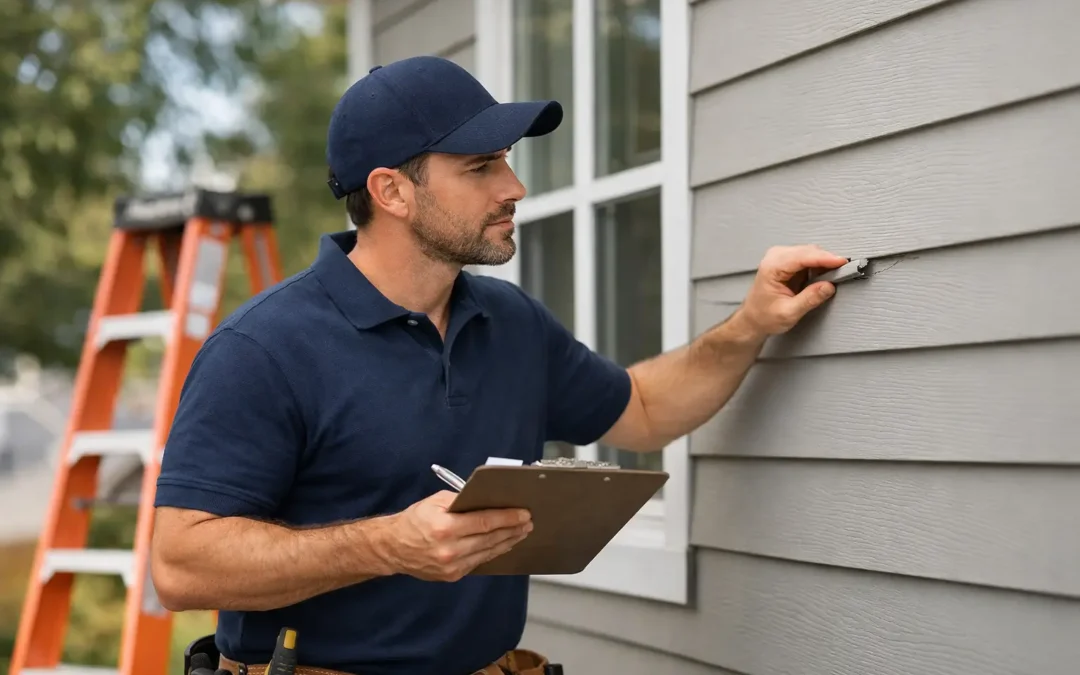
During an inspection, the contractor should look at the condition of the panels or boards, but also the trim, caulking, flashing, and the wall assembly behind the damaged section when needed. If a piece has come loose, there is usually a reason. It might be wind uplift, improper nailing, age-related movement, or moisture swelling underneath.
This is also where material type matters. Vinyl, fiber cement, engineered wood, and traditional wood siding all fail differently and require different repair methods. Vinyl can crack or pull free. Fiber cement may chip or break from impact. Wood can rot from repeated moisture exposure. The right contractor should be able to explain the difference clearly and tell you what is cosmetic versus what threatens the building envelope.
Signs you should not ignore
Some siding damage is obvious. A missing panel or a hole from storm debris gets attention fast. Other warning signs are easier to dismiss until the damage spreads.
Buckling or warped siding can signal heat exposure, poor installation, or moisture trapped behind the wall. Soft spots around trim may mean rot has already started. High energy bills can point to gaps that are letting outside air into the home. Staining, peeling paint indoors near exterior walls, or musty odors can also connect back to failed siding or flashing outside.
Commercial property owners often see the same pattern on a larger scale. One vulnerable wall section can affect insulation performance, tenant comfort, and curb appeal at the same time. Fast, organized repair work matters because the longer the opening stays exposed, the more expensive the problem becomes.
Repair versus replacement depends on more than cost
A lot of property owners start with one question: can this be repaired, or do I need new siding? Cost matters, but it should not be the only factor.
Repair usually makes sense when the damage is isolated, matching materials are available, and the rest of the siding still has years of life left. It is faster, less disruptive, and easier on the budget. For storm damage or a single failing section, repair can restore protection without turning the project into a major renovation.
Replacement becomes the better value when repairs would be repeated over and over, when hidden substrate damage is widespread, or when the siding has reached the end of its lifespan. There is also the appearance issue. On older homes, an exact match may be difficult, so even a technically sound repair can stand out visually. Some owners are fine with that. Others would rather invest once and get a clean, uniform result.
An honest contractor should walk you through the trade-off. If repair is the best option, they should say so. If replacement is the better long-term decision, they should be able to show you why.
How to choose the right contractor for siding repair
The best contractor is not always the one with the lowest number on the estimate. Siding repair is detail work. It takes product knowledge, proper installation methods, and a careful eye for moisture entry points.
Look for a contractor who communicates clearly from the start. You should get a straightforward explanation of the damage, the proposed fix, what materials will be used, and whether any underlying wall issues need to be addressed. Vague language is usually a bad sign.
Responsiveness also matters more than many people realize. When siding is loose, cracked, or missing, waiting days for a callback is not just frustrating – it can leave your property exposed through the next rainstorm. A professional exterior contractor should understand the urgency and treat it that way.
Credentials matter too. Proper insurance, a solid local reputation, and workmanship standards you can verify all help reduce risk. So does a clean, organized process. The job should not end with the repair itself. Cleanup, final review, and making sure the property is left in good condition are part of professional service.
Questions to ask a beacon siding repair contractor
Before you approve the work, ask a few direct questions. Can the damaged material be matched closely? Is there any evidence of water behind the siding? Will trim, flashing, or weather barrier repairs be included if needed? What warranty applies to the work?
You should also ask how the repair area will be opened and inspected. Some contractors simply replace what is visible and move on. Others check the substrate to make sure moisture has not already caused more damage. That extra step can be the difference between a real fix and a temporary cover-up.
If your property recently went through a storm, ask whether the damage appears consistent with wind or impact events. That can matter for documentation and planning, especially if multiple exterior systems were affected.
Why local experience makes a difference
Siding in the Hudson Valley takes a beating. Wind-driven rain, winter freeze-thaw cycles, summer heat, and seasonal storms all test the exterior in different ways. A contractor who works on homes and buildings in this region understands the patterns that show up repeatedly – where water tends to get in, how certain siding products age, and what repairs hold up best over time.
That local familiarity can shorten the diagnostic process and help avoid shortcuts. It also helps with practical decisions, like whether a repair should be staged quickly to stop active exposure and followed by more permanent work, or whether the issue can be addressed in one visit.
For property owners who want a dependable process, this is where a company like CPG Roofing & Siding stands out. Fast response, clear communication, and workmanship that protects the property are not extras. They are the standard you should expect.
The real value of siding repair done correctly
Good siding repair does two jobs at once. It restores the appearance of the home or building, and it protects everything behind it. The second part is the one that saves you money.
When repairs are done correctly, you reduce the chance of interior water damage, insulation loss, rot, mold, and future structural repairs. You also preserve curb appeal and help maintain the value of the property. On a home, that means peace of mind. On a commercial building, it means fewer interruptions and a better-looking asset.
Waiting rarely improves the outcome. Siding damage tends to spread from a small opening to a larger repair area because water and wind keep working at the same weak spot. Acting early gives you more options and usually keeps the project simpler.
If your siding has come loose, cracked, warped, or started letting in moisture, trust what the exterior is telling you. The right repair at the right time protects more than the wall – it protects the investment behind it.